Pard vs Hikmicro: UK Thermal Scope Showdown
By Peter Makulek · Senior Optics Editor · · Live prices from UK retailers
If you spend any time on UK shooting forums or browsing www pages of specialist retailers, one question keeps coming up: should I buy a Pard or a Hikmicro thermal scope? Both brands have carved out enormous market share among UK pest controllers, deer stalkers and fox shooters, yet each takes a noticeably different approach to sensor technology, ergonomics and software. In this guide we cut through the marketing noise and compare these two thermal heavyweights on the criteria that actually matter when you are out on a cold February night in the Midlands.
Thermal imaging has transformed legal night shooting in England, Wales and Scotland. Unlike older image-intensifier night vision units from brands such as Yukon, a thermal scope detects heat signatures through fog, light rain and total darkness — no IR illuminator needed. Pard and Hikmicro dominate the affordable end of the UK market, broadly occupying the price space below premium units from Pulsar, while offering features that would have seemed extraordinary just a few years ago. Whether you are upgrading from an old add-on unit or buying your first dedicated thermal, the choice between these two brands is rarely straightforward.
Below we preview the key models, outline what to look for in a buying decision, and answer real questions UK shooters are asking right now — from equipment identification to whether semi-autos pair well with thermal optics. Let us get into it.
Top Picks — Live UK Prices
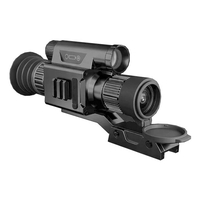
Fuego DS-X7 4K Day & Night Vision Rifle Scope
via Uttings
£299.99
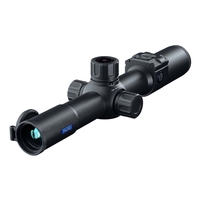
Pard Night Stalker Mini Night Vision Riflescope - 35mm
via Uttings
£339.00
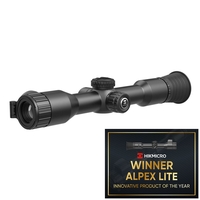
HIKMicro Alpex 4K Lite Digital Day/Night Riflescope
via Uttings
£399.00
Buying Advice
When choosing between Pard and Hikmicro, start with sensor resolution and NETD (Noise Equivalent Temperature Difference). A lower NETD figure — say 25 mK versus 35 mK — means the scope can distinguish smaller temperature differences, which translates directly into clearer target identification at range. Hikmicro's flagship models often edge ahead on raw NETD specs, while Pard tends to offer competitive resolution at a slightly lower price point. For UK foxing at typical engagement distances of 100–250 metres, both brands perform admirably, but if you regularly shoot beyond 200 metres in variable weather, that NETD advantage can matter.
Consider form factor carefully. Pard's clip-on thermal units, such as those in the SA and FD series, are popular with UK shooters who already own a quality day scope from Vortex, Zeiss or Swarovski and simply want to add thermal capability without re-zeroing. Hikmicro's Thunder and Stellar lines, by contrast, are strong as dedicated standalone scopes with built-in ballistic calculators and onboard recording. If you want a single do-everything unit, Hikmicro often has the edge in software polish; if you want modularity and the ability to swap between day and night roles, Pard's clip-on ecosystem is hard to beat.
Finally, think about after-sales support in the UK. Both brands now have established UK distributors and warranty networks, but Hikmicro's parent company (Hikvision) has deeper pockets and a larger UK service infrastructure. Pard's UK support has improved markedly and many specialist dealers hold stock for quick swap-outs. Budget for a good-quality mount — a poor mount will ruin the zero stability of even the best thermal — and if you are running a semi-auto rifle, ensure the scope's eye relief and recoil rating are sufficient. Most Pard and Hikmicro units are rated for centrefire recoil, but always confirm the specific model's rating before fitting it to anything north of .243 Winchester.
Frequently Asked Questions
Would I be better investing in a Pard or a Hikmicro for UK night shooting?
It depends on your use case. For clip-on versatility alongside an existing day scope, Pard generally offers better value and modularity. For a dedicated standalone thermal with polished software and recording, Hikmicro's mid-range and premium models are hard to beat. Both are well supported by UK dealers, so your investment is protected either way.
Any love for semi-autos paired with thermal scopes?
Absolutely — semi-auto rifles like the Browning BAR or Benelli Argo are increasingly popular with UK thermal shooters for fox and pest control. Just ensure your chosen Pard or Hikmicro model is recoil-rated for your calibre and that the eye relief suits rapid follow-up shots. Most current-generation thermals from both brands handle semi-auto recoil without issue.
Can someone name what equipment is being used in thermal shooting setups I see online?
Most UK thermal setups you see on forums or in roundup discussion threads feature either a Pard SA or FD-series clip-on attached to a day scope, or a standalone Hikmicro Thunder, Stellar or Panther unit. Supporting kit typically includes an IR laser rangefinder, a Picatinny or 30 mm mount adapter, and often a recording module. Check the com pages of UK retailers like Thomas Jacks or Optics Warehouse for full kit bundles.
Any love for the old-school long-range night vision units like Yukon?
Old-generation image-intensifier units from Yukon still have a following, particularly among shooters on a tight budget or those who only need short-range capability for ratting and close-range rabbit control. However, thermal technology from Pard and Hikmicro has largely overtaken traditional night vision for serious UK pest control and stalking because it works through obscurants and needs no ambient light or IR illuminator.
Is it normal to keep buying more thermal and night-vision kit?
Perfectly normal — or at least that is what most of us tell ourselves. The technology evolves fast, and once you experience the leap from an older unit to a current 640-core sensor, it is hard not to want the next upgrade. Budget discipline helps, but collecting optics is a well-established tradition among UK shooters and you are in good company.
How do Pard and Hikmicro thermals compare to premium brands like Swarovski or Zeiss optics?
Swarovski and Zeiss do not currently manufacture dedicated thermal rifle scopes, so the comparison is not direct. Where those brands excel is in premium day-optic glass quality and mechanical precision. Many UK shooters run a Swarovski or Zeiss day scope with a Pard clip-on thermal in front — combining best-in-class daytime clarity with affordable thermal detection for night work. For standalone thermal, Pard and Hikmicro compete primarily with Pulsar at the higher end.
Related guides
Pulsar or Hikmicro thermal scope for UK shooting in 2026? Our in-depth comparison covers specs, budget tiers, deer stalking…
Best PARD Night Vision Scopes for UK ShootersDefinitive UK buyer's guide to PARD digital night vision scopes for foxing, deer stalking and vermin control.
Best Budget Thermal Scopes Under £1,000 (UK 2026)Our expert guide to the best budget thermal scopes under £1,000 for UK fox and vermin shooting in 2026.
UK Night Vision & Thermal Law: What Shooters Must KnowUnderstand UK law on night vision and thermal optics for deer stalking, fox control, and lamping. Scotland vs England rules, legal kit…
HIKMICRO Stellar 3.0 Price Reductions ExplainedHIKMICRO Stellar 3.0 thermal scope prices have dropped across UK dealers. Our 2026 guide covers what you get, how it compares…
Red Dot vs Scope for UK Deer Stalking: The Definitive GuideRed dot sight or rifle scope for deer stalking in the UK? Our 2026 guide covers legality, magnification, brands…
Best Day/Night Scopes for Air Rifles in 2026Best night vision scopes for air rifles UK 2026: day/night digital optics from Pard, Hikmicro and Yukon for ratting and rabbiting on PCP and springers.
Read next
- best thermal rifle scope UK
Best Thermal Rifle Scopes in the UK (2026 Buyer's Guide)
Not sure which scope is right for you?
Try our AI-powered scope finder — answer a few questions and get personalised recommendations.
Find My Scope →Get a UK scope tip every day
Follow AiScopes on Facebook for daily buying guides, deals and gear advice.
Follow on Facebook