Best Thermal Under £1,000 Scopes UK
14 scopes found · £599 – £1000 · Prices updated nightly from UK retailers
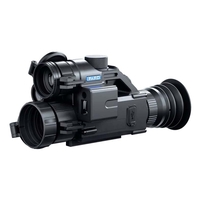
Pard Landsat 256 Mini Mulit-Spectral LRF Thermal/Night Vision Scope
via Uttings
£599.00
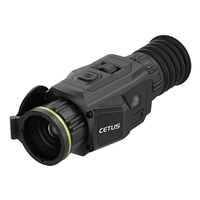
Pixfra Cetus C225 Thermal (256x192) Rifle Scope
via Uttings
£679.95
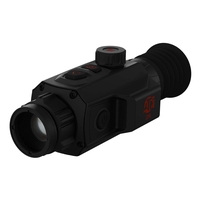
ATN Thor 6 Mini 215 (2-16x) Compact Thermal (256x192) Rifle Scope
via Uttings
£699.00

ATN Mars LTV+ 2-6x (256x192) 19mm Thermal Riflescope
via Uttings
£749.00
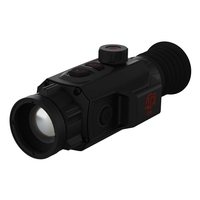
ATN Thor 6 Mini 225 (3.5-28x) Compact Thermal (256x192) Rifle Scope
via Uttings
£799.00
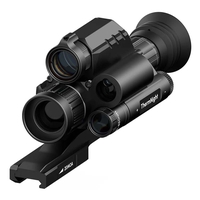
DNT Optics Thermnight Thermal (256x192) & Night Vision Multispectral Riflescope - 25mm with LRF
via Uttings
£849.00
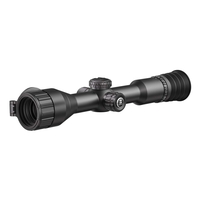
HIKMicro Neos 256px 25mm Thermal Rifle Scope
via Uttings
£849.99

ATN Mars LTV+ 3-9x (256x192) 25mm Thermal Riflescope
via Uttings
£899.00
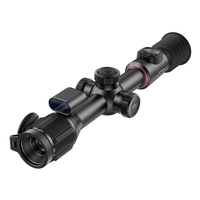
Nocpix BOLT P25R Thermal (256x192) Riflescope w/LRF
via Uttings
£899.00
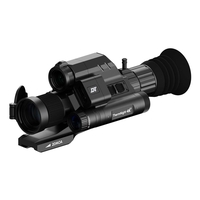
DNT Optics Thermnight 4K Thermal (256x192) & Night Vision Multispectral Riflescope - 50mm w/LRF
via Uttings
£899.99

ATN Mars LTV+ 3-9x (320x240) 19mm Thermal Rifle Scope
via Uttings
£949.00

Pulsar TFA Core FXD50 Thermal Weapon Scope
via Uttings
£999.00
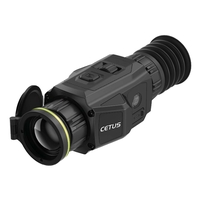
Pixfra Cetus C335 Thermal (384x288) Rifle Scope
via Uttings
£999.95
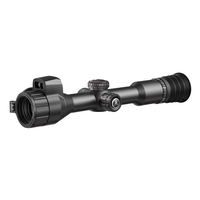
HIKMicro Neos 320px 25mm Thermal Rifle Scope w/LRF
via Uttings
£999.99
Compare Similar Options
Buying Advice
Stepping up to the £500–£1,000 bracket is where thermal imaging shifts from 'usable for spotting' to genuinely capable for identification and engagement in the field. Sensor cores in this tier commonly move to a full 384×288 pixel array, and some models push to 640×480, paired with a 50 Hz refresh rate that renders fast-moving quarry — a fox breaking cover, a rabbit bolting — without the smearing or lag that 25 Hz sensors show. NETD figures typically drop below 40 mK and often into the 25–30 mK range, meaning finer temperature differences resolve into visible detail: fur texture, limb position, the difference between a fox and a domestic dog at range, not just a warm outline. The practical result is identification range extending out to roughly 300–400 m for a fox-sized animal under good conditions, a meaningful step up from the 150–250 m realistic at sub-£500, and detection range for the same target often exceeding 800 m–1 km on higher-spec 640 cores.
This is also the price bracket where a genuine dedicated thermal riflescope — as opposed to a handheld spotter — becomes a realistic proposition, with recoil-rated housings capable of surviving repeated centrefire use without losing zero, and reticle systems with usable holdover markings for the ranges thermal hunting actually happens at (typically under 150 m for a clean, ethical shot regardless of how far you can see). Digital zoom becomes more usable too, since the underlying sensor resolution gives the processing more real detail to work with rather than simply enlarging soft pixels. Built-in video recording and Wi-Fi streaming to a phone app start appearing as standard rather than premium extras, useful for reviewing a session or sharing sightings with a syndicate. Battery life typically improves to 5–8 hours on a single charge or removable pack — still worth carrying a spare for a full winter night, but a meaningful improvement over the 3–5 hours common under £500.
Choosing within this tier comes down to matching sensor size to your actual use case rather than simply buying the highest number available. If you're primarily doing close-range garden or smallholding pest control on rabbits at under 100 m, a 384×288 core keeps cost down without sacrificing anything you'd notice. If you're covering open arable land at longer range for foxing, or want a single unit that doubles as both scope and long-distance spotter, the step to a 640×480 sensor pays off directly in identification distance. Whichever core you choose, verify the housing's stated recoil rating matches your rifle's calibre before mounting — the added cost of a genuine riflescope-grade housing at this tier is precisely what separates it from a repurposed spotter, and it's not worth compromising on for the sake of a marginally sharper sensor.
Frequently Asked Questions
What sensor resolution and refresh rate should I look for in the £500-£1,000 range?
Look for a minimum of 384×288 pixels with a 50 Hz refresh rate, which handles fast-moving quarry without the lag visible on cheaper 25 Hz units. Some models in this bracket offer 640×480 sensors, which meaningfully extend identification range for foxing on open ground, though a 384×288 core is entirely adequate for closer-range rabbit or garden pest control. NETD below 40 mK, ideally closer to 25–30 mK, is a better indicator of real-world image quality than pixel count alone, since it governs how much fine temperature detail actually resolves into a recognisable shape.
Do I still need a separate spotter if my thermal riflescope covers this range?
Many UK foxers still carry a separate handheld thermal or NV spotter even with a capable riflescope in this bracket, because scanning wide ground through a magnified scope is slower and more tiring than using a wide-field handheld unit, and you shouldn't be pointing a mounted rifle at anything before you've positively identified it. A £500-£1,000 dedicated scope is a genuine step up for the actual shot, but a cheap spotter for locating and initially identifying quarry remains good practice and standard procedure among experienced pest controllers.
Is the recording and Wi-Fi streaming feature actually useful, or just a gimmick?
For pest control record-keeping, reviewing missed shots, and sharing sightings or activity levels with a landowner or stalking syndicate, on-device recording is genuinely useful rather than a marketing add-on. Wi-Fi streaming to a phone app is more of a convenience than a necessity — handy for showing a companion what you're seeing without them looking through the scope, but it draws additional battery power, so weigh it against the shorter running time it can cost you on a long winter session.
UK buying guides for this category
Not finding exactly what you need?
Try the AI wizard — it filters by firearm type, shooting distance and specific features.
🤖 Open AI Scope Wizard →