Best Hunting Under £500 Scopes UK
14 scopes found · £155 – £499 · Prices updated nightly from UK retailers

Vortex Crossfire II 3-9x40 Plex Hunting Riflescope
via BushWear
£155.00

Vortex Crossfire II 4-12x44 Plex Hunting Riflescope
via BushWear
£180.00

Vortex Diamondback 1.75-5x32 BDC Hunting Riflescope
via BushWear
£255.00

Vortex Diamondback 3-9x40 V-Plex Hunting Riflescope
via BushWear
£265.00

Vortex Diamondback 4-12x40 BDC Hunting Riflescope
via BushWear
£275.00
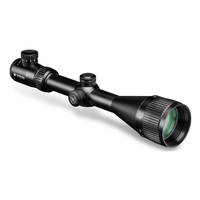
Vortex Crossfire II 3-12x56 AO Hog Hunter Riflescope
via Uttings
£279.00
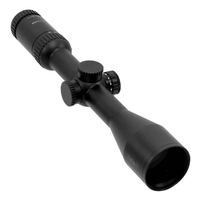
OptiMate Hunter 2-12x50 WA IR Rifle Scope
via Uttings
£279.99
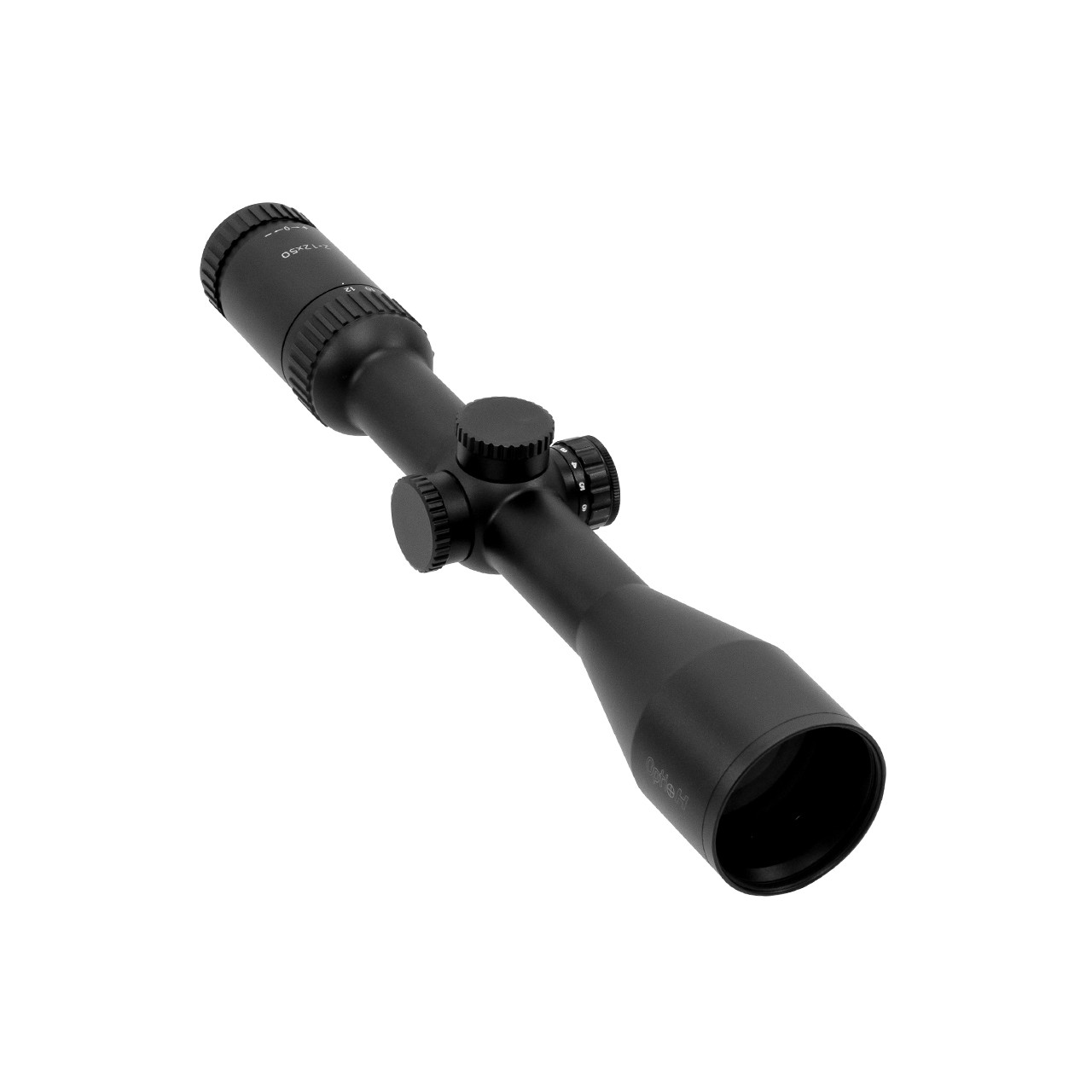
OptiMate Hunter 2-12x50 WA IR BT Rifle Scope
via Livens
£280.00

OptiMate Hunter 2-12x50 WA IR BT Rifle Scope
via Uttings
£284.99
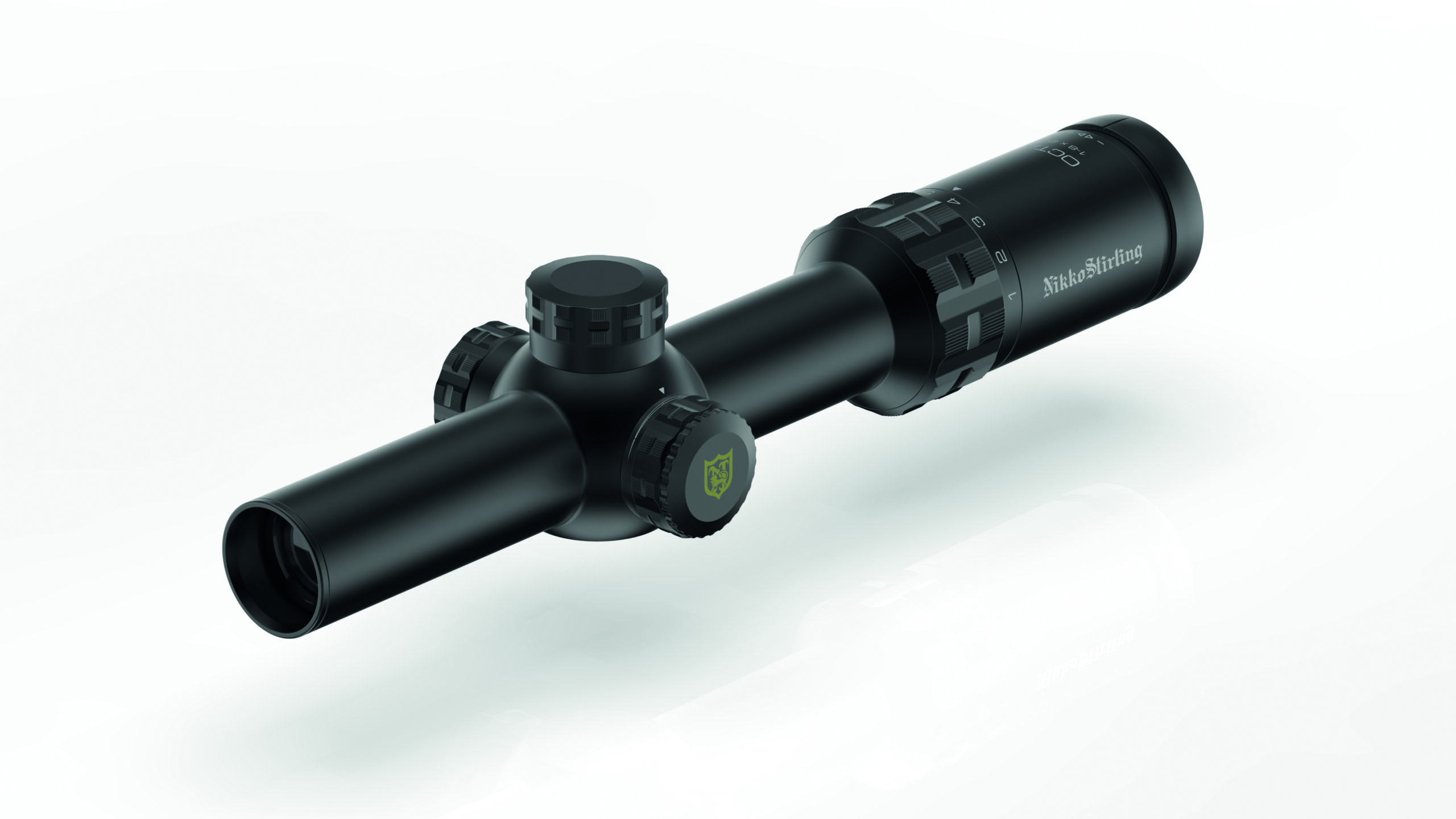
NIKKO STIRLING OCTA 8X ZOOM ILLUMINATED HUNTING SCOPE, 30MM TUBE ILLUMINATED BDC RETICLE 1-8X24
via Livens
£290.00

OptiMate Hunter 3-18x56 WA IR Rifle Scope
via Uttings
£349.99

OptiMate Hunter 3-18x56 WA IR Rifle Scope - Reticle #4
via Livens
£350.00

OptiMate Hunter 3-18x56 WA IR BT Rifle Scope
via Uttings
£359.99

ATN X-Celsior-NV 3-9x Day/Night Hunting Riflescope
via Uttings
£499.00
Compare Similar Options
Buying Advice
Moving from £200 to £500 changes what a hunting scope can do rather than just how it looks on paper. Illuminated reticles become the norm rather than the exception at this tier, with proper multi-stage brightness control and an off position between settings so you are not fumbling the dial in the dark. Glass improves meaningfully too: fully multi-coated lens systems and larger 44-50mm objectives are common, both of which lift light transmission in the low-contrast conditions that dawn and dusk hunting actually happens in. Tube diameter is still mostly 1 inch, though some models step up to 30mm, giving a little more internal elevation travel as margin for longer centrefire shots without running out of adjustment.
Parallax is where this tier genuinely forks in two directions. Plenty of well-regarded £200-£500 hunting scopes remain fixed-parallax, set at the factory to around 100 yards, which is entirely adequate if your shots stay inside roughly 150-200 yards — the residual parallax error at that range is small and rarely the limiting factor in a hunting shot. Adjustable parallax (AO or side-focus) starts appearing more consistently here and is worth paying for if you regularly shoot closer than 50 yards or further than 200, or if you pair the scope with a lamp or clip-on night device where focal-plane accuracy matters more. Reticle-wise, a genuinely illuminated duplex is the sensible default for most hunters; simple BDC or holdover marks start to appear too, useful if you take shots out to 250-300 yards on a flatter-shooting centrefire.
This is also the tier where a proper UK deer-stalking setup becomes realistic. Deer are overwhelmingly taken at dawn and dusk, so the low-light glass and reliable illumination this budget buys are not luxuries here — they are the difference between a confident, ethical shot and passing up a fleeting one. Turret quality improves too: capped or locking turrets that resist being knocked out of zero while you are crossing a fence or riding in a vehicle are more common at £300-500 than below £200. For a stalker running a legal deer rifle under Deer Act minimum calibre and energy requirements, prioritise light transmission and a genuinely usable illuminated reticle over chasing extra magnification — a sharp, bright 3-9x44 will show you more of a deer in poor light than a dim 4-16x50 at the same price point.
Frequently Asked Questions
What does spending £200-500 actually add over a sub-£200 hunting scope?
The main gains are illumination that is genuinely usable (proper brightness steps, an off position between settings), better light transmission from improved coatings and often a larger objective lens, and turrets that hold zero more reliably in the field. Adjustable parallax becomes more common too, though plenty of good hunting scopes in this bracket are still fixed-parallax by design. None of this changes what the scope is fundamentally for — it makes the same hunting tasks noticeably more capable in poor light.
Is an illuminated reticle worth prioritising for deer stalking at this budget?
Yes. Deer are most active around dawn and dusk, exactly when a plain black reticle is hardest to see against dark woodland or hedgerow. At £200-500, illumination is genuinely usable rather than a token feature, with enough brightness range to stay visible without washing out the target. If your stalking happens mainly in daylight this matters less, but for a dedicated deer rifle setup it is one of the better uses of budget in this tier.
Should I choose a fixed-parallax or adjustable-parallax hunting scope under £500?
Fixed-parallax, factory-set to around 100 yards, is perfectly adequate for the majority of UK hunting shots inside 150-200 yards, and it is simpler and often optically cleaner for the money. Adjustable parallax earns its cost if you regularly shoot noticeably closer or further than that range, or if precise focal-plane accuracy matters to your setup — for example when using a clip-on night vision or thermal add-on. For general fox and deer work at typical hunting distances, do not assume adjustable parallax is essential just because it is available at this tier.
UK buying guides for this category
Not finding exactly what you need?
Try the AI wizard — it filters by firearm type, shooting distance and specific features.
🤖 Open AI Scope Wizard →