Best FFP Under £500 Scopes UK
55 scopes found · £219 – £470 · Prices updated nightly from UK retailers
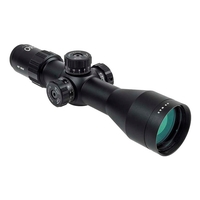
PAO HD MAX 4-16x44 SF FFP Ultra Compact Riflescope
via Uttings
£219.00
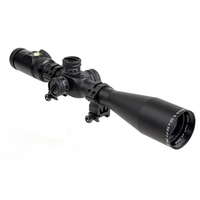
PAO F1 5-20x50 IR SF FFP Rifle Scope
via Uttings
£239.00

Wulf Tornado FFP 6-24x50 W-MIL3 Side Focus Rifle Scope
via BushWear
£249.99
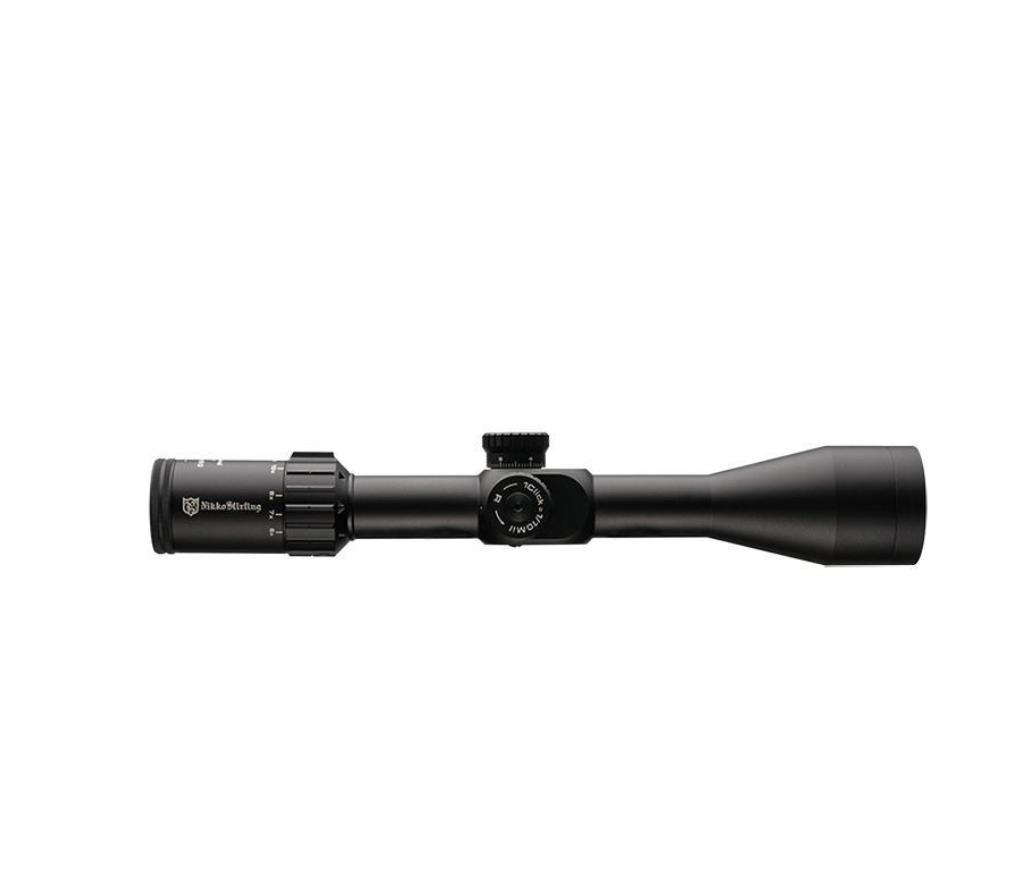
Nikko Stirling Diamond FFP 34mm 6-24x50 HMD IR Reticle
via Livens
£250.00

Hawke Vantage 30 WA FFP 4-16x50 IR SF (1.2 Mil Dot FFP) MRAD turrets Telescopic Sights
via BushWear
£296.10

MTC Optics King Cobra F1 4-16x50 IR Rifle Scope
via Uttings
£299.00

Element Optics Helix 4-16x44 FFP APR-2D Rifle Scope
via Livens
£300.00
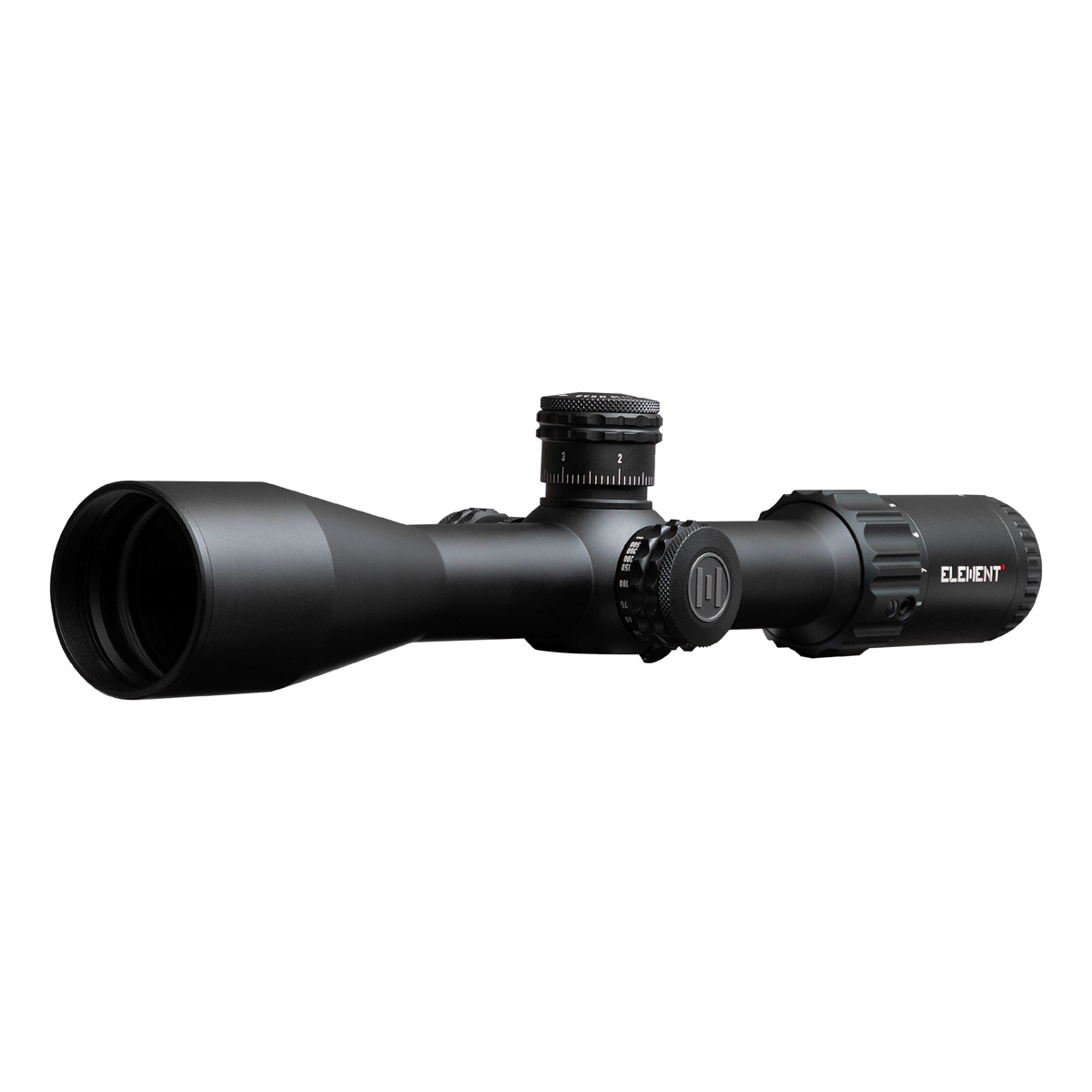
Element Optics Helix 4-16x44 FFP APR-1C Rifle Scope
via Livens
£300.00
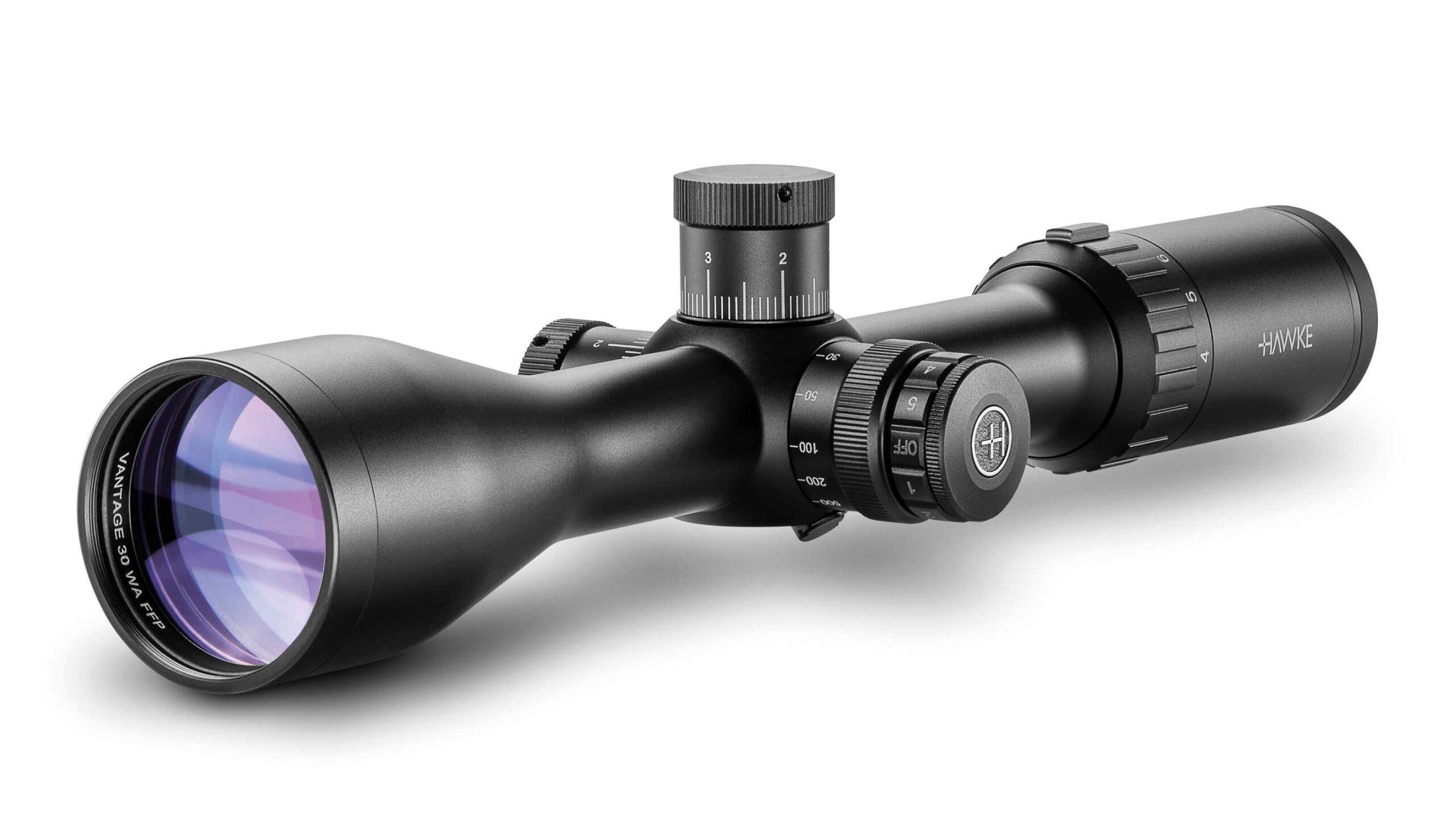
HAWKE VANTAGE 30 WA FFP 4-16X50 IR SF MRAD
via Livens
£329.00

MTC Optics King Cobra F1 6-24x50 IR Rifle Scope
via Uttings
£329.00

Element Optics Helix 4-16x44 Ffp APR-2D MOA
via BushWear
£337.99

Element Optics Helix 4-16x44 Ffp APR-1C MOA
via BushWear
£337.99
Hawke Vantage 30 WA FFP 6-24x50 Half Mil Dot IR
via DAI Leisure
£348.95
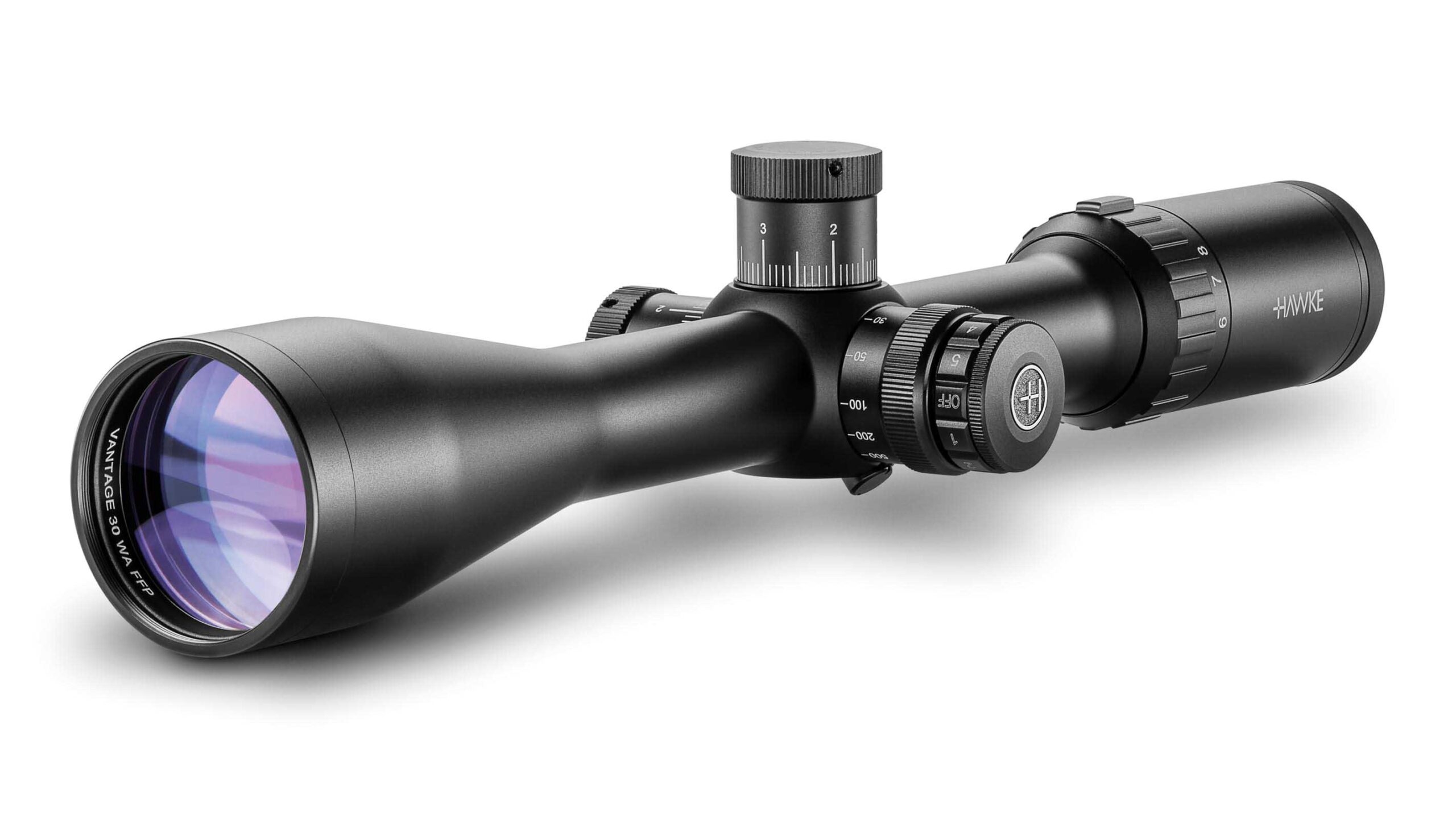
Hawke Vantage 30 WA FFP 6-24x50 Half Mil Dot IR Scope 14304
via Livens
£349.00

Element Optics Helix 6-24x50 Ffp APR-2D MOA
via BushWear
£354.99
Hawke Vantage 30 WA FFP 4-16x50 Half Mil Dot IR
via DAI Leisure
£358.95

Hawke XB30 FFP 2-8x36 Crossbow Scope 385-420fps
via BushWear
£359.10
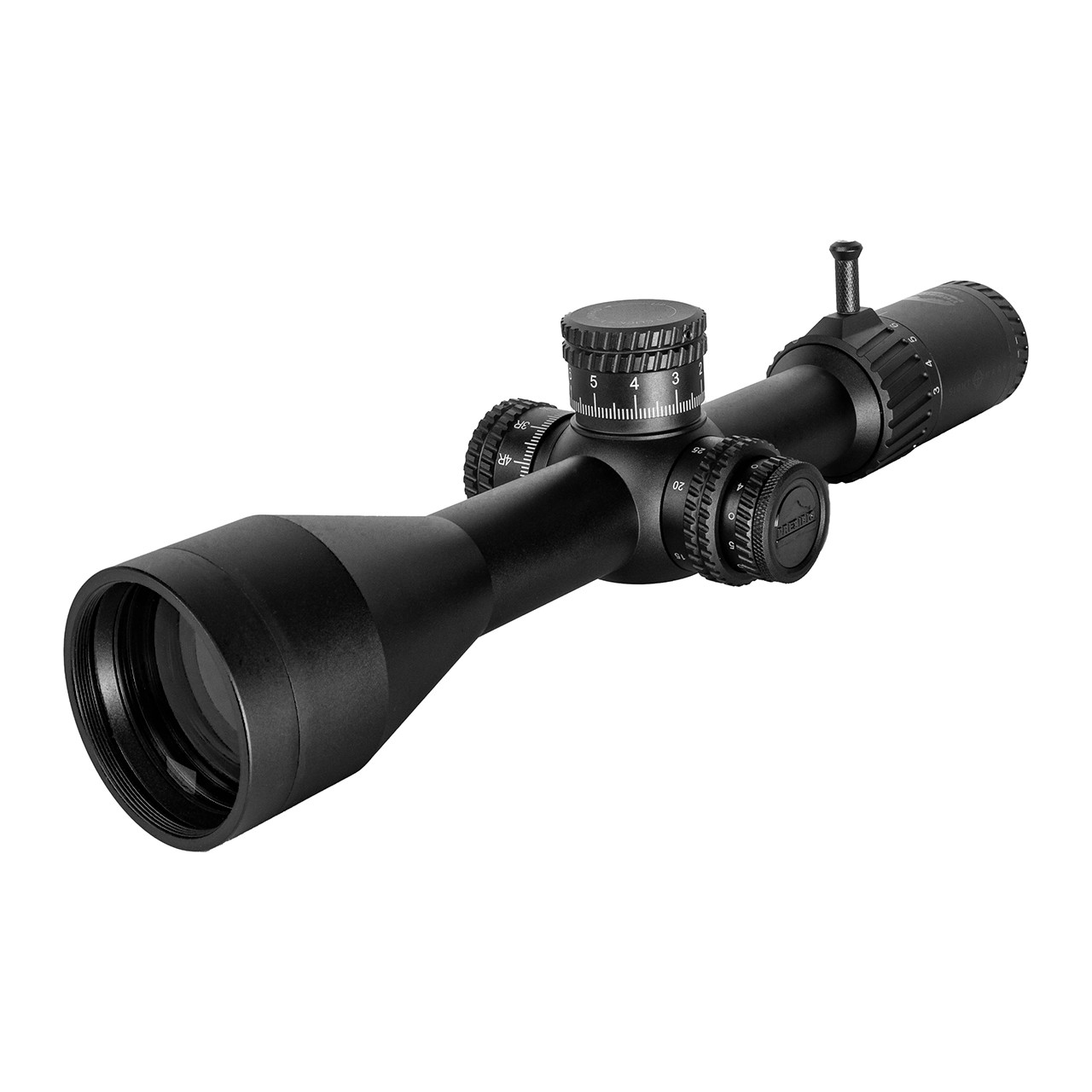
Sightmark Presidio 3-18x50 FFP Riflescope
via Livens
£360.00
Hawke Airmax 30 FFP SF 4-16x50 AMX IR
via DAI Leisure
£388.95
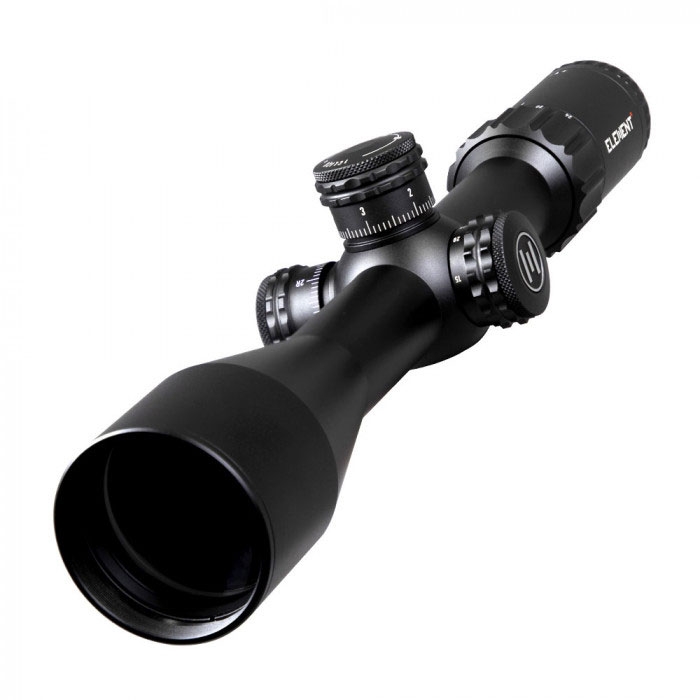
Element Optics Helix 6-24x50 FFP APR-1C Rifle Scope
via Livens
£389.00
Nikko Stirling Diamond FFP 34mm 5-30x56 IR Riflescope
via Uttings
£399.00
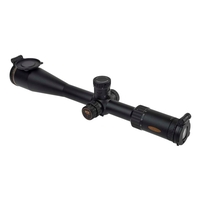
MTC Optics King Cobra F1 8-32x50 IR Rifle Scope
via Uttings
£399.00
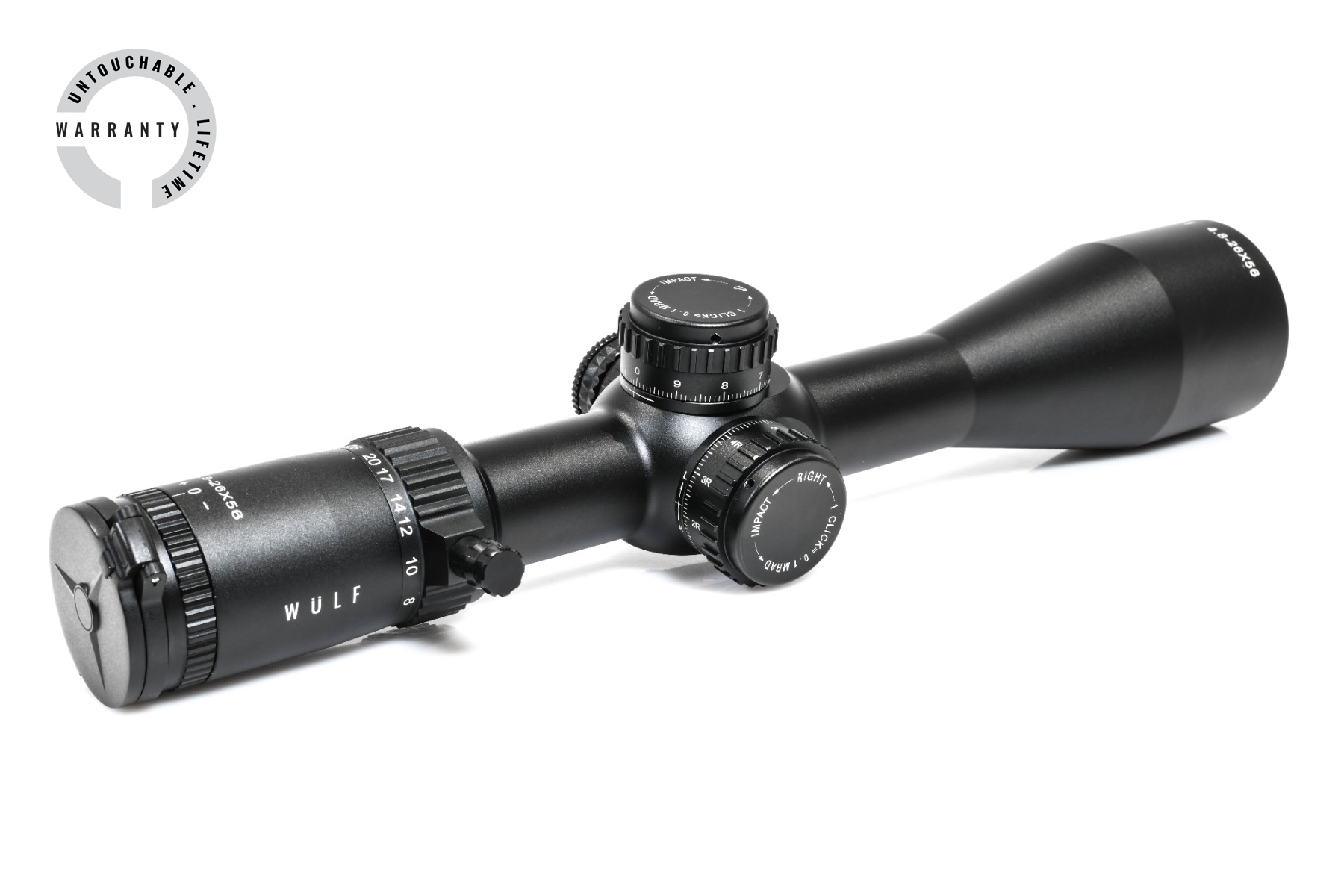
WULF Defender 4.8-26x56 FFP Illuminated W-MIL3 ZTL 0.1 MRAD Rifle Scope
via Livens
£399.95

Hawke XB30 FFP 2-8x36 Crossbow Scope 425-465fps
via BushWear
£404.10

Hawke XB30 FFP 2-8x36 Crossbow Scope 470-510fps
via BushWear
£404.10

Hawke Airmax 30 FFP 4-16x50 SF (AMX IR)
via Livens
£407.00
Hawke Airmax 30 FFP SF 6-24x50 AMX IR
via DAI Leisure
£408.95
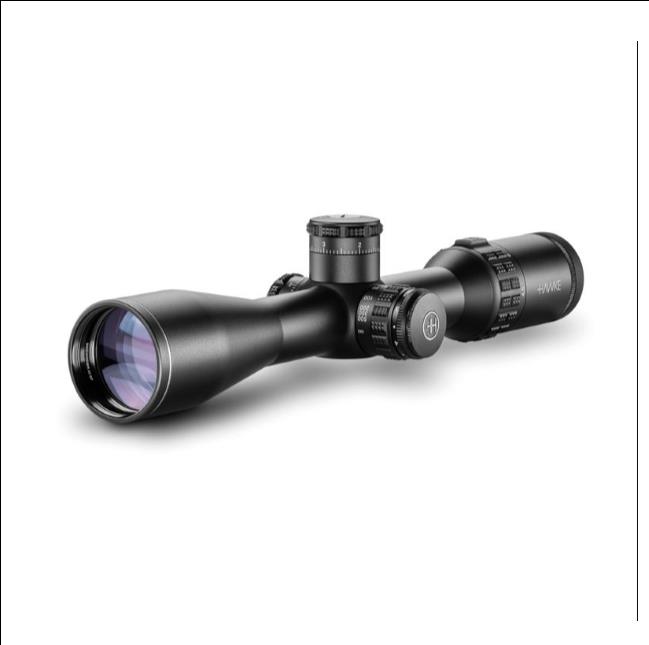
Hawke Sidewinder 30 FFP 4.5-14x44 10x 1/2 Mil Dot
via Livens
£425.00
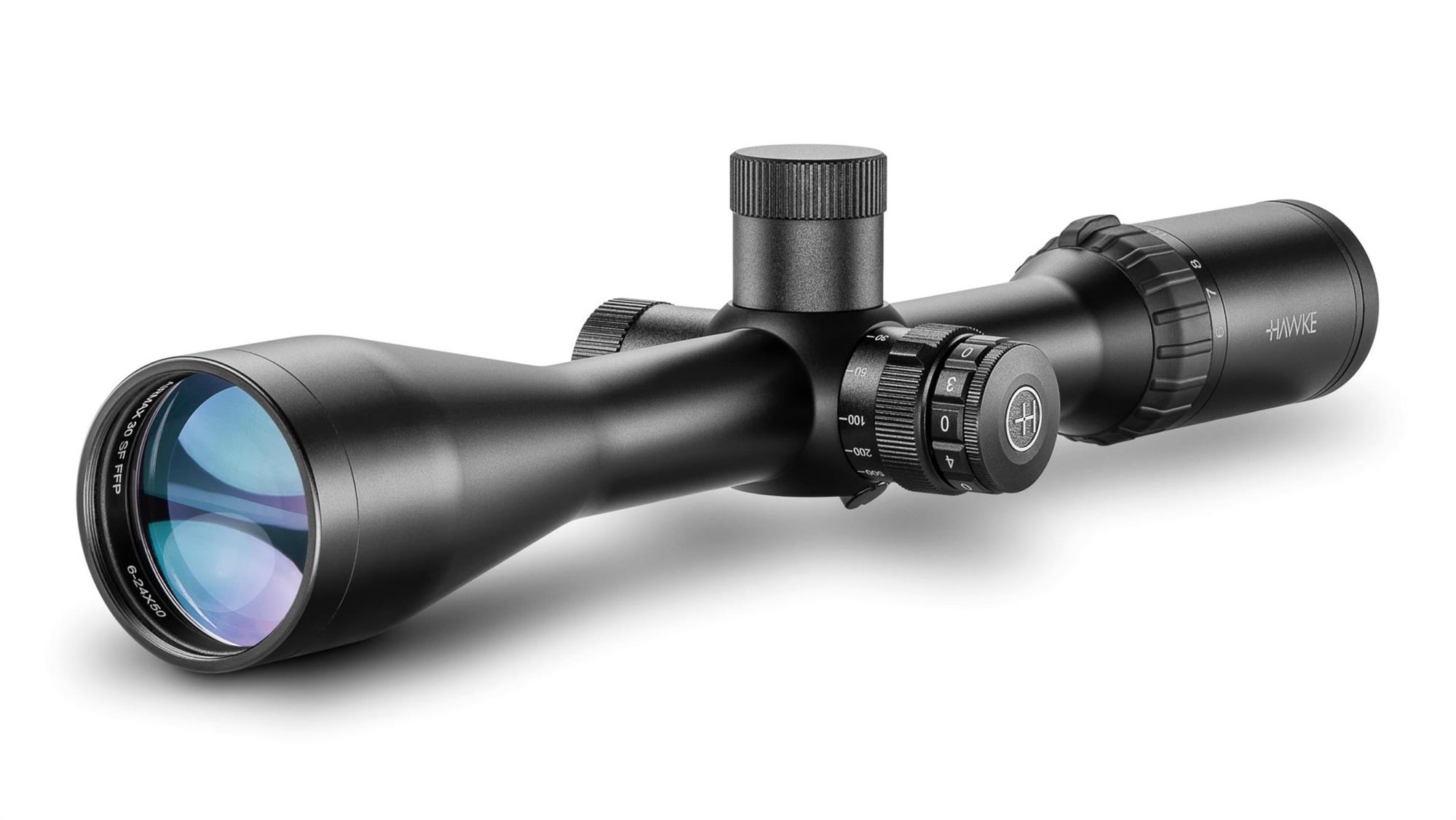
Hawke Airmax 30 FFP 6-24x50 SF (AMX IR)
via Livens
£425.00

Vortex Diamondback Tactical FFP 4-16x44 Riflescope - MOA
via Uttings
£429.00
Vortex Diamondback Tactical FFP 4-16x44 Riflescope - MRAD
via Uttings
£429.00

Element Optics Helix Gen2 4-16x44 Ffp MPR-1C MRAD
via BushWear
£430.99

Hawke Vantage 34 FFP 5-25x56 Rifle Scope
via Cluny Country Store
£435.00

Vortex Diamondback Tactical FFP 4-16x44 MRAD Riflescope
via BushWear
£435.00

Vortex Diamondback Tactical FFP 4-16x44 MOA Riflescope
via BushWear
£435.00
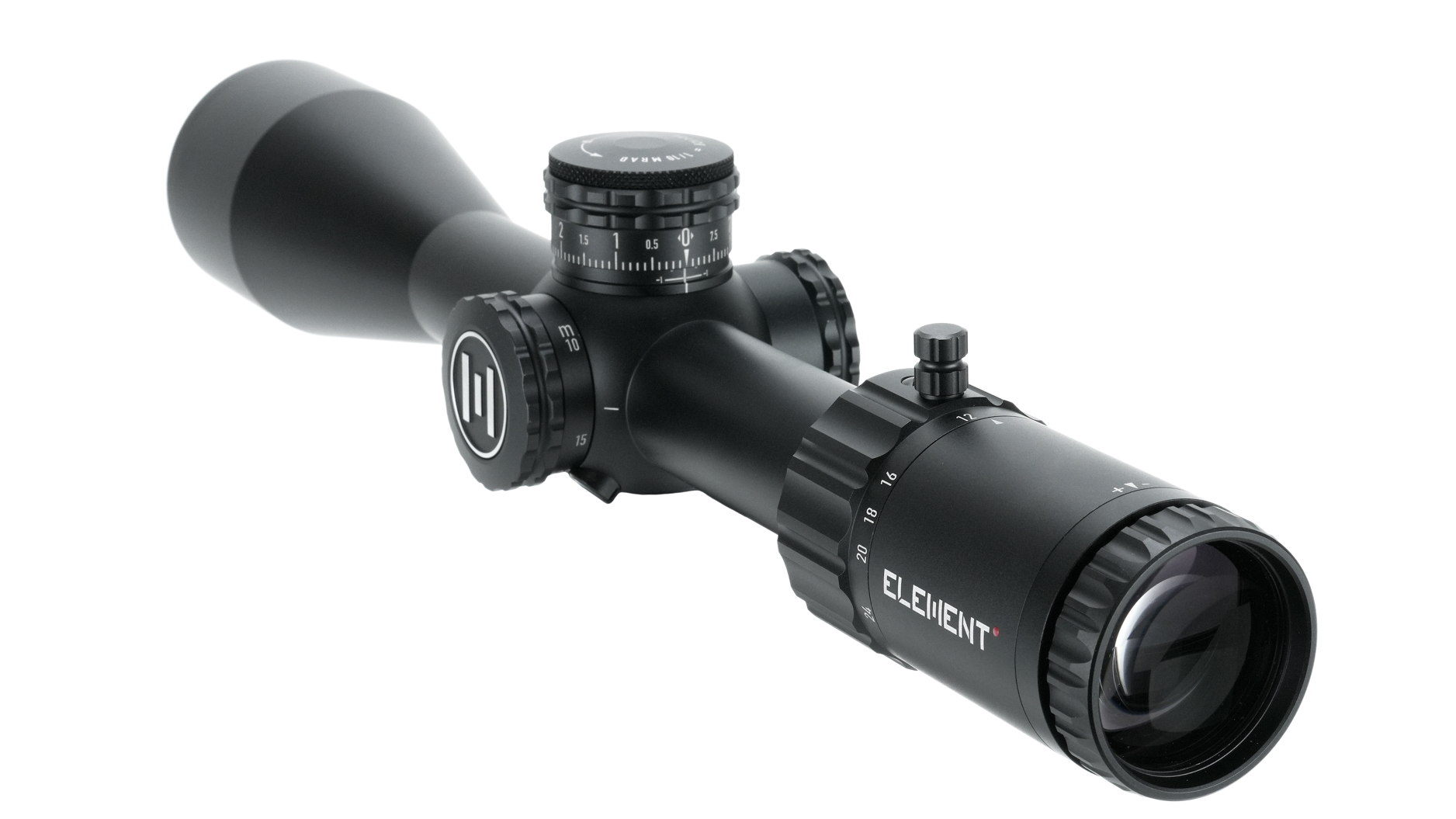
Element Optics HELIX GEN 2 6-24×50 FFP Rifle Scope
via Livens
£443.99

Element Optics Helix Gen2 6-24x50 Ffp APR-1C MOA
via BushWear
£443.99

Element Optics Helix Gen2 6-24x50 Ffp APR-2D MOA
via BushWear
£443.99
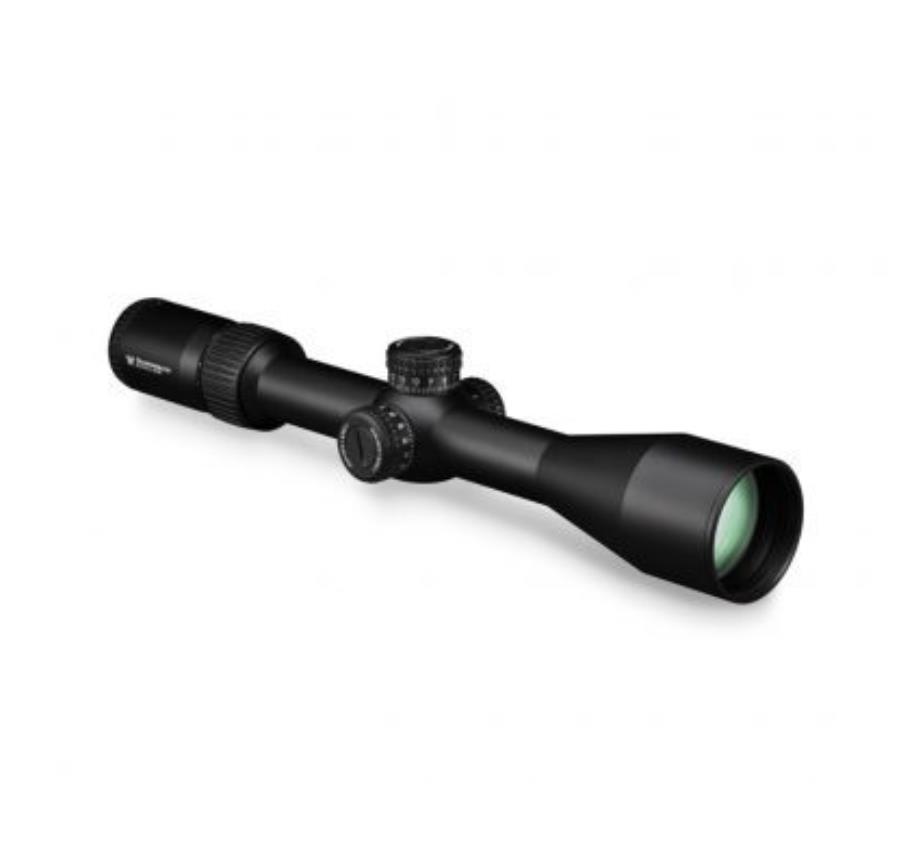
Vortex Diamondback Tactical 6-24x50 FFP MRAD Scope
via Livens
£445.00
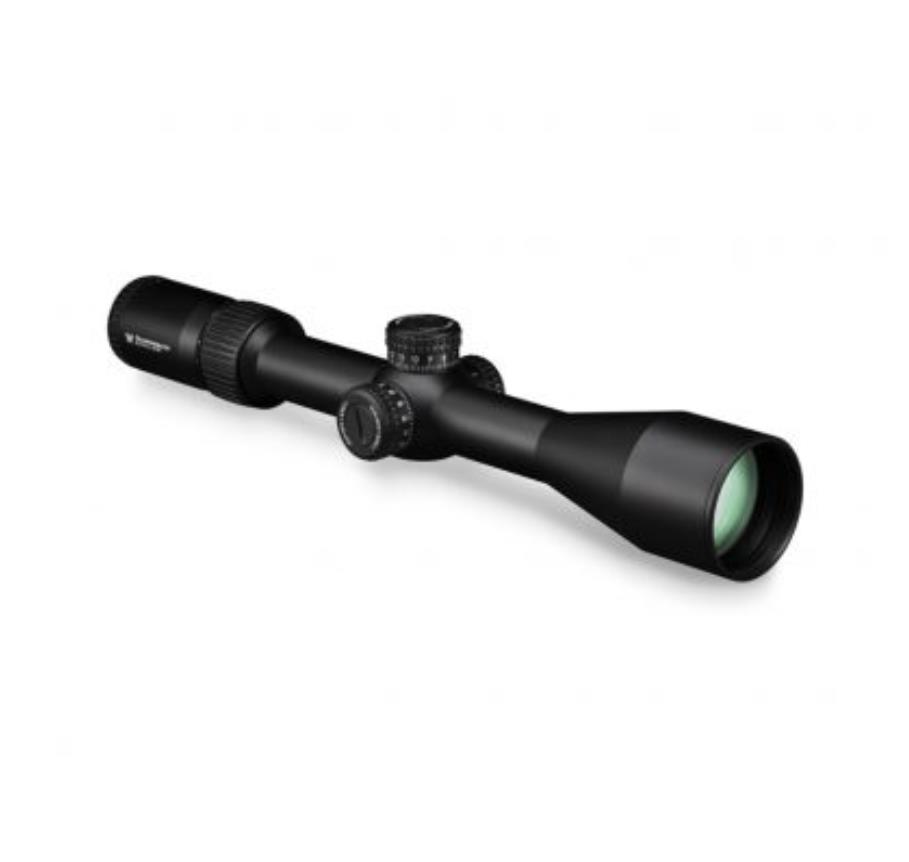
Vortex Diamondback Tactical 6-24x50 FFP MOA Scope
via Livens
£445.00

Vortex Diamondback Tactical FFP 6-24x50 Riflescope - MOA
via Uttings
£449.00

Vortex Diamondback Tactical FFP 6-24x50 Riflescope - MRAD
via Uttings
£449.00

Wulf Defender 2.0 ED 5-25x56 FFP W-MIL5 Rifle Scope
via BushWear
£449.99
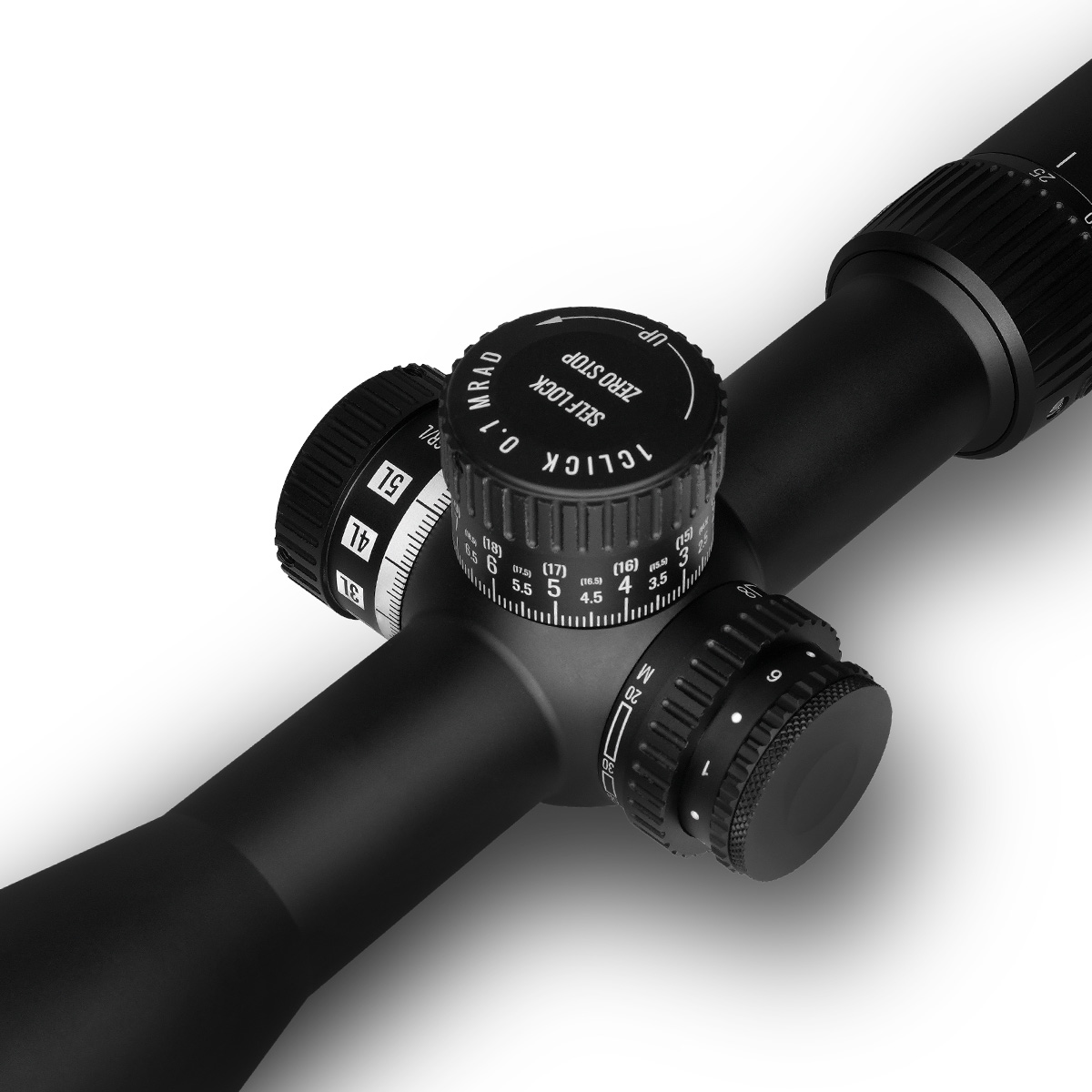
Wulf Defender 2.0 ED 5-25x56 FFP Rifle Scope - W-MIL 5 IR Reticle
via Livens
£449.99
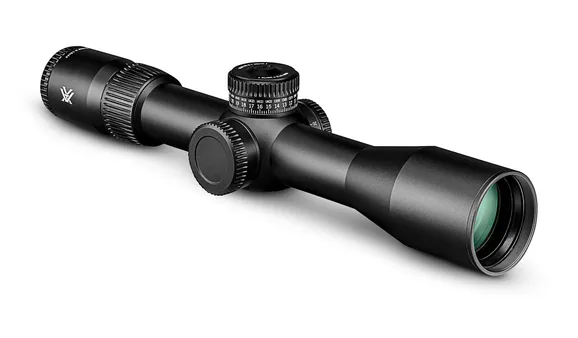
Vortex Venom 3-15x44 FFP EBR-7C Rifle Scope
via Livens
£465.00
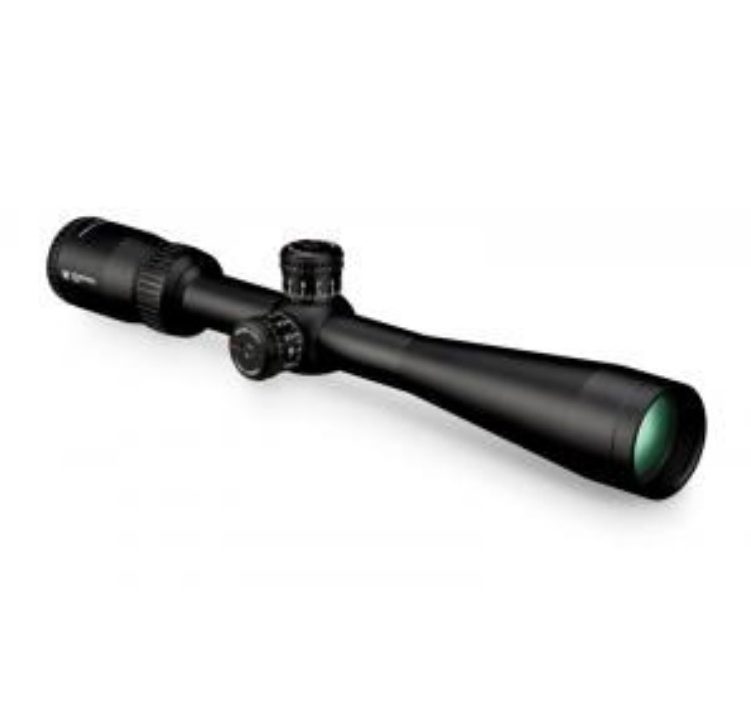
Vortex Diamondback Tactical 4-16x44 FFP EBR-2C MRAD Rifle Scope
via Livens
£465.00
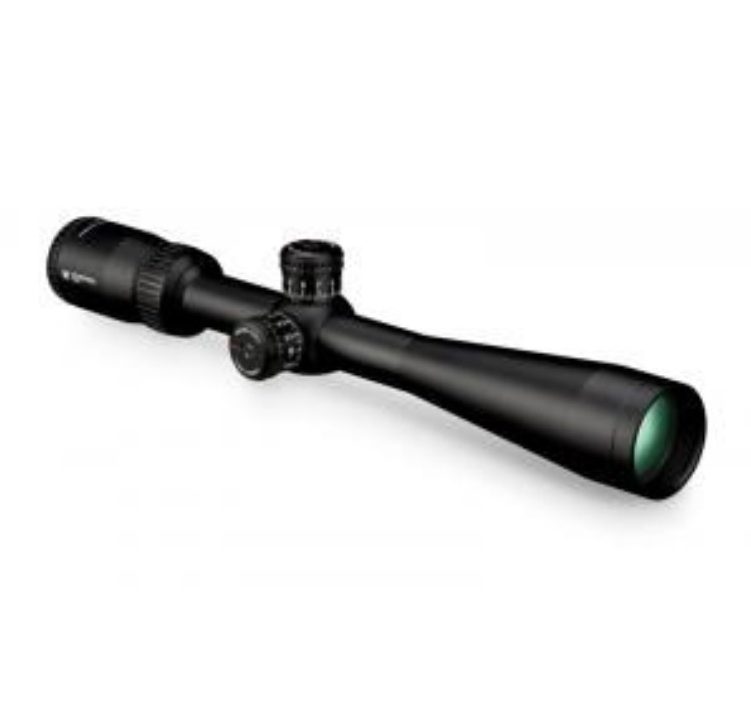
Vortex Diamondback Tactical 4-16x44 FFP EBR-2C MOA
via Livens
£465.00
Hawke Sidewinder FFP 4-16x50 MIL
via DAI Leisure
£469.95
Compare Similar Options
Buying Advice
Between roughly £200 and £500, FFP reticles graduate from basic mil-dot or duplex-with-hash patterns to genuinely useful Christmas-tree and finely hashed designs, with enough subtension points to hold off for both elevation and wind drift without touching a turret. Glass quality takes a real step up too: fully multi-coated lenses transmit noticeably more light, which directly addresses the biggest weakness of budget FFP scopes — a reticle that all but disappears at low magnification. Illumination systems improve alongside the reticle itself, typically adding an off-position between each brightness setting so the scope isn't burning battery unnecessarily, and several brightness levels genuinely usable in daylight rather than only in a darkened room. This is the price band where FFP starts to reward the shooter who actually uses holdover technique — a Christmas-tree reticle with wind-drift hashes is only worth having if the glass is clear enough to read those hashes against a real background, and at this tier it generally is.
This is also where the MOA-versus-MRAD decision becomes worth taking seriously, because a hashed FFP reticle only works if its subtensions match your turret's click units. MRAD has become the dominant choice among UK PRS and tactical-leaning shooters — 0.1 MRAD per click equating to a clean 1cm at 100 metres makes range-card maths and metric ballistic-calculator output line up naturally. MOA remains common among shooters with an F-Class or benchrest background, or anyone already comfortable thinking in inches at 100 yards. Neither is objectively better, but mixing them — a MOA reticle under MRAD turrets, or vice versa — turns every holdover calculation into an error-prone conversion exercise, so decide before you buy rather than after. Most manufacturers in this bracket offer the same model in both configurations, so the choice rarely costs you a feature either way. If you shoot alongside other PRS or tactical shooters, or use their ballistic apps, match whichever unit they use — consistency with your shooting community matters more than either system's theoretical merits.
Turret hardware improves meaningfully in this range: 30mm tubes become the norm rather than the exception, giving more internal elevation travel than the 1-inch tubes typical under £200, and capped or locking turrets click with far more consistency. Zero-stop mechanisms are still more the exception than the rule at this price — that feature becomes standard further up, in the FFP under-£1,000 tier — so if you dial elevation for distance you will usually need to count clicks or revolutions back to zero rather than spin to a hard stop. Before trusting any scope in this bracket for competition or serious foxing at extended range, run a tall-target or box test to confirm the turret genuinely tracks what it claims; most scopes at this price pass, but it is a five-minute check that catches the occasional unit that doesn't, and it is far cheaper to discover indoors than at 400 yards.
Frequently Asked Questions
Should I choose MOA or MRAD for a sub-£500 FFP scope?
Either works well, but whichever you pick, make sure your reticle's hashmarks and your turret's clicks use the same unit — a mismatch turns quick field holdovers into slow conversion sums. MRAD (0.1 mil per click, 1cm at 100m) is the more common choice in UK PRS and tactical circles and pairs cleanly with metric ballistic-calculator output. MOA suits shooters from an F-Class or benchrest background who already think in inches at 100 yards. Most models in this price bracket are offered in both configurations for the same money, so match your shooting community's convention rather than agonising over which system is theoretically superior.
What's the practical difference between a mil-dot reticle and a Christmas-tree reticle at this price?
A mil-dot reticle gives you evenly spaced dots along the vertical and horizontal crosshair, useful for basic holdover and rough ranging. A Christmas-tree reticle adds a grid of extra hashmarks fanning out below the centre, giving you combined elevation-and-windage holdover points for multiple distances and wind speeds at once — genuinely useful in PRS-style stages shot under time pressure where you can't stop to dial a turret. At this budget, Christmas-tree reticles are increasingly common and the glass is generally clear enough to actually read the finer hashmarks, which wasn't reliably true a price tier down.
Do I need a zero-stop turret at this budget?
It's a genuinely useful feature but not yet standard in this tier — most zero-stop mechanisms appear once you move into the £500-£1,000 bracket. Without one, returning to your zero after dialling elevation for a long shot means counting clicks or turret revolutions back down, which is manageable with practice but adds a step under pressure. If you regularly dial for distance rather than hold over, it's worth checking individual models carefully, since a handful of scopes in this price band do include a basic zero-stop even though it isn't yet the default.
Not finding exactly what you need?
Try the AI wizard — it filters by firearm type, shooting distance and specific features.
🤖 Open AI Scope Wizard →