Why Does My PCP Air Rifle's Zero Move Between Sessions?
By Peter Makulek · Senior Optics Editor · · Live prices from UK retailers
Quick answer: if your PCP shoots tight groups but the whole group lands somewhere new each time you take it out, the barrel is rarely the cause. Something is moving, or the air behind the pellet is changing. Check in this order: anything loose on the rifle, then the scope and how you look through it, then fill pressure and the regulator, then temperature, then pellets, and last of all your hold and rest. Change one thing at a time and prove each step with five-shot groups at a single fixed distance.
This is one of the most common complaints from PCP owners. The pattern is always similar. The rifle was zeroed carefully last week, nothing has been touched, and today the group is an inch away at 30 yards. Sometimes it moves again half-way through the same session. Because the groups themselves stay small, the rifle and pellet are clearly capable. The job is to find what changed between the two groups.
Two things this guide does not cover. If your rifle shoots low and the elevation turret is wound almost to its limit, that is barrel droop, and our guide to scope droop and adjustable mounts deals with it. And if single shots fly wide of an otherwise good group, that is usually a pellet or technique problem, not a wandering zero. A moving zero matters more on a sub-12 ft-lb rifle than people expect, because a small error at 30 to 40 yards is the difference between a clean shot on a rabbit and a miss or a wounded animal.
Top Picks — Live UK Prices

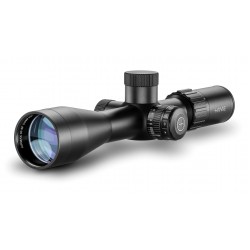
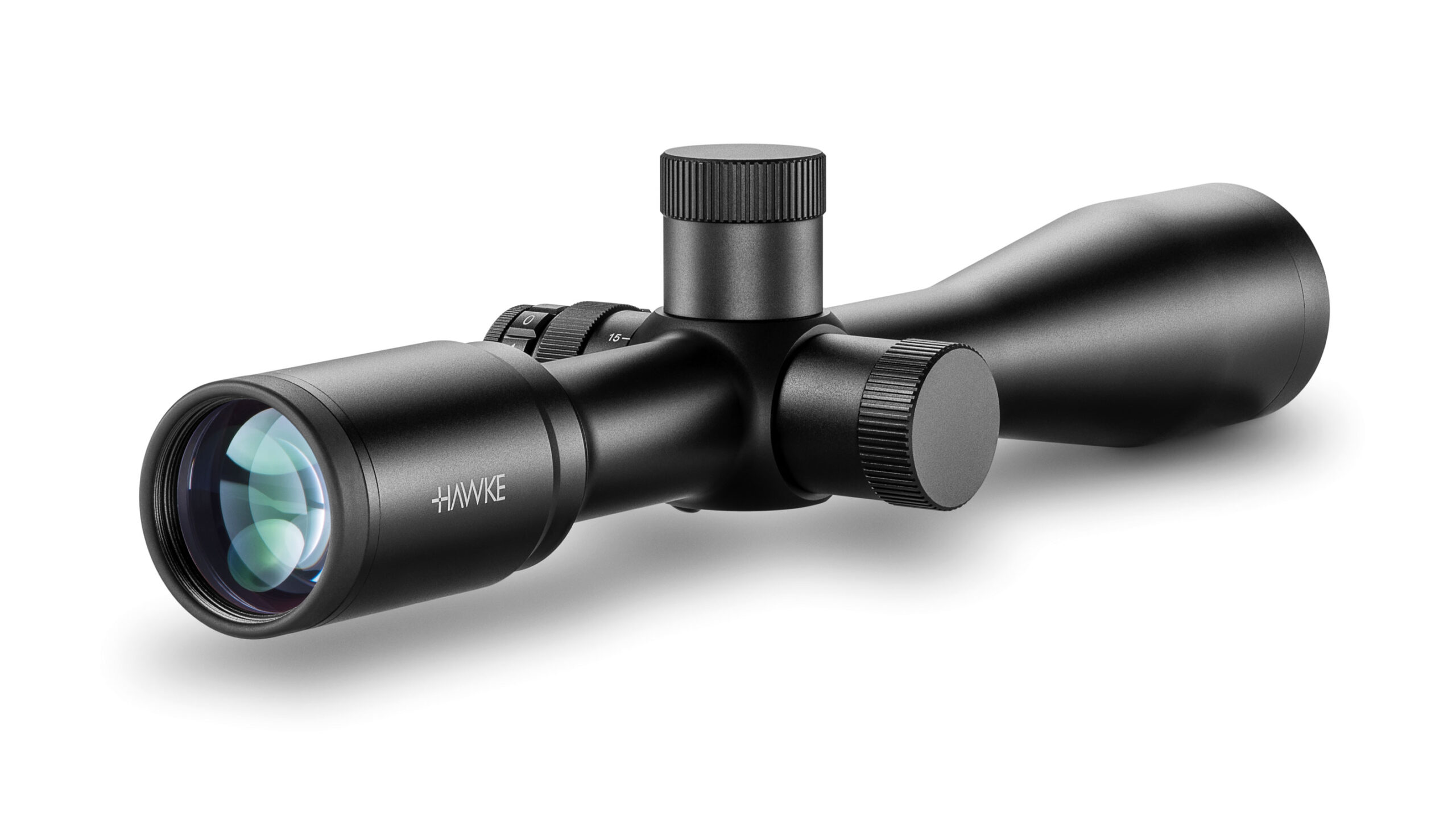
Hawke Airmax 30 WA 4-16x50 SF AMX IR .1 Mrad Scope
via Sportsman Gun Centre
£349.00
Hawke Airmax 30 SF Compact 4-16x44 AMX IR
via DAI Leisure
£338.95
AIRMAX 30 WA SF 10x44 AMX IR RETICLE
via Livens
£349.00
Buying Advice
Step 1: pin the problem down before you touch anything. Pick one distance, 25 or 30 yards is fine, and use the same rest, the same tin of pellets and the same aim point. Shoot five shots, mark the group, and write down the date, the air temperature and the gauge reading. Do the same at the start of the next session before adjusting the turrets. After two or three sessions you will know how far the zero moves and in which direction. A shift that is always vertical points towards air pressure or velocity. A shift that goes sideways or in random directions points towards something loose or the scope.
Step 2: look for anything loose. This finds more wandering zeros than any other check. Go over the ring cap screws and the clamp screws that hold the rings to the rail, using a torque driver set to the mount maker's figure if you have one. Check the rail itself if it is a separate part screwed to the action. Then check the stock screws, because an action that shifts in the stock moves the point of impact too. Finally check the front end: the moderator, the shroud, and any barrel band or clamp. Hold the action and press gently on the muzzle. If you can feel the barrel or the barrel assembly move, you have found a likely cause, and on a rifle under warranty that is one for the retailer or importer, not a home fix.
Step 3: rule out the scope. Start with parallax. If the parallax setting is wrong for your distance, the reticle appears to move on the target as your eye moves behind the scope, so a slightly different head position each session gives a different point of impact. Set the side wheel or adjustable objective by looking, not by the printed numbers, which are only approximate. Then move your eye a little up, down and sideways. The cross-hair should stay still on the target. If it floats, adjust until it does. Next, check the turrets. After a zero change, some scopes take a shot or two to settle, so always confirm a new zero with a fresh group. If you have a second scope you trust, swapping it over for one session is the quickest test of all. A scope that has spent time on a springer deserves extra suspicion.
Step 4: check fill pressure and the regulator. An unregulated PCP does not give the same velocity across the whole fill. Velocity typically rises to a peak and then falls away as the pressure drops, so a rifle zeroed on a full fill can shoot to a different point when it is half empty. Find the pressure range where your rifle is consistent and fill to the same figure each time. A regulated rifle is steadier, but only while the cylinder pressure stays above the regulator's set pressure. Once the gauge falls below that, the rifle behaves like an unregulated one and the group drops. Regulators can also creep: pressure slowly rises behind the regulator while the rifle rests, so the first shot or two after a break leaves at a different speed. If your first shot of the day is always the odd one out, suspect this.
Step 5: think about temperature. The pressure of the air in the cylinder changes with temperature, so a rifle filled indoors and shot outside on a cold morning has less pressure than the gauge showed at home, and a rifle left in the sun or a warm car has more. Seals and lubricants also behave differently when cold. How much this moves the zero varies a great deal from rifle to rifle, so do not rely on a rule of thumb. Let the rifle sit outside for a while before you check zero, and note the temperature in your log. If your zero is always low on cold days and back to normal on mild ones, you have your answer, and the practical fix is to check zero at the start of each outing.
Step 6: use a chronograph if you can. Everything in steps 4 and 5 shows up as a change in muzzle velocity, and a chronograph turns guesswork into numbers. Shoot a ten-shot string at the start of a session and compare it with the last one. If the average has moved, the cause is on the air side. If velocity is the same and the group has still moved, go back to the mounts, the scope and your hold. A chronograph also tells you that the rifle is still under the 12 ft-lb limit. In Great Britain an air rifle above that figure needs a Firearms Certificate, so never adjust a regulator or hammer spring without measuring the result.
Step 7: check pellets and the barrel. Keep to one tin while you diagnose. Different batches of the same pellet can shoot to slightly different places, and mixing two part-used tins is an easy way to create a puzzle. If you have just cleaned the barrel, expect the first shots to land differently until it settles. Clean rarely and then re-check zero, not the other way round.
Step 8: look at your hold and rest last. A PCP is forgiving compared with a springer, but it is not immune. A rifle rested on a hard surface, on a bipod, on a bag or on sticks can shoot to slightly different places, and so can a rifle rested at the front of the stock compared with the middle. Tilting the rifle, known as cant, moves the pellet sideways and low, and the effect grows with distance. Zero the rifle the way you will shoot it in the field, keep the cross-hair level, and use the same support point each time.
If you have worked through all eight steps and the velocity is wandering with no pattern, or the barrel moves by hand, stop there. Pressure parts on a PCP are not for experimenting on at the kitchen table. Take your log and your chronograph figures to a gunsmith or back to the shop. A clear record of what moves and when is the fastest route to a fix, and it is hard to argue with.
Frequently Asked Questions
Why does my PCP shoot to a different place every time I take it out?
The usual causes are a loose mount, moderator or barrel band, parallax error from a changing head position, a different fill pressure, a change in temperature, or a different rest. Check them in that order and confirm each change with five-shot groups at one fixed distance.
Can cold weather change the zero on a PCP air rifle?
Yes. Air pressure in the cylinder falls as it gets colder, and seals and lubricants behave differently, so velocity can change. The size of the effect varies between rifles. Let the rifle reach outdoor temperature and check zero before you hunt.
What is regulator creep?
It is a slow rise in pressure on the output side of the regulator while the rifle rests. The first shot or two after a break then leaves at a different velocity from the rest. A chronograph will show it clearly.
Does fill pressure affect point of impact?
On an unregulated PCP it does, because velocity changes across the fill. On a regulated PCP the zero should stay steady until the cylinder pressure falls below the regulator's set pressure, after which the group will start to move.
How do I know whether the scope or the rifle is at fault?
Check that nothing is loose, set parallax correctly and confirm the reticle does not float when you move your eye. If the zero still moves, fit a scope you trust for one session. If the problem goes away, it was the scope or its mounts. If it stays, look at the air side with a chronograph.
Is a wandering zero the same as barrel droop?
No. Droop is a fixed angle between the barrel and the scope rail that makes the rifle shoot low and uses up elevation adjustment. It does not change from day to day. A zero that moves between sessions has a different cause.
Related guides
Scope run out of elevation on your air rifle? Learn why barrel droop happens and how UK shooters fix it with shims or adjustable mounts in 2026.
How to Zero an Air Rifle Scope: A Step-by-Step UK GuideZero an air rifle scope step by step: choose a zero distance, set parallax, adjust turrets and check close and far shots. A UK guide for sub-12 ft-lb.
Scope Mounts, Rings & Rails: 2026 UK Buyer's GuideYour 2026 UK guide to scope mounts, rings and rails for air rifles and rimfire rifles. Dovetail vs Picatinny, ring height, return to zero…
What Magnification Does an Air Rifle Scope Need?3-9x, 4-12x or 6-24x? Learn which magnification suits ratting, rabbits and field target with a UK air rifle, and what high power costs you in the field.
Not sure which scope is right for you?
Try our AI-powered scope finder — answer a few questions and get personalised recommendations.
Find My Scope →Get a UK scope tip every day
Follow AiScopes on Facebook for daily buying guides, deals and gear advice.
Follow on Facebook