PCP vs Spring Air Rifle: What It Means for Your Scope
By Peter Makulek · Senior Optics Editor · · Live prices from UK retailers
Quick answer: a spring (springer) air rifle needs a scope that is built or tested for spring recoil. A PCP does not, because it barely recoils. Everything else about choosing a scope is the same on both: a side-focus or adjustable-objective parallax setting that reaches your real shooting distance, 3-9x or 4-12x magnification, and mounts that do not creep. So the first question is not which scope to buy. It is which rifle you are fitting it to.
That decision is also where most of the money goes. A springer is self-contained: cock it, load a pellet, shoot. A PCP (pre-charged pneumatic) runs on compressed air, so you need a way to fill it, whether a dive cylinder, a hand pump or a compressor. That is a running cost and a learning curve a springer does not have, and it is worth weighing before you spend anything on optics.
This guide compares the two from the scope's point of view: what each rifle does to the optic, what you should look for in each case, and where the old advice ("just buy a springer-rated scope for everything") is right and where it wastes money. It is written for sub-12 ft-lb rifles used within a sensible range. Both types are effective only out to around 50 yards on live quarry and 50 to 75 yards on paper targets in calm conditions. Neither turns an air rifle into a long-range tool, whatever the scope says on the box.
Top Picks — Live UK Prices
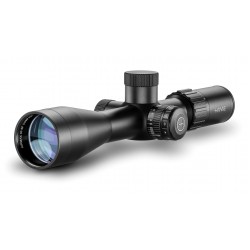
Hawke Airmax 30 SF Compact 4-16x44 AMX IR
via DAI Leisure
£338.95
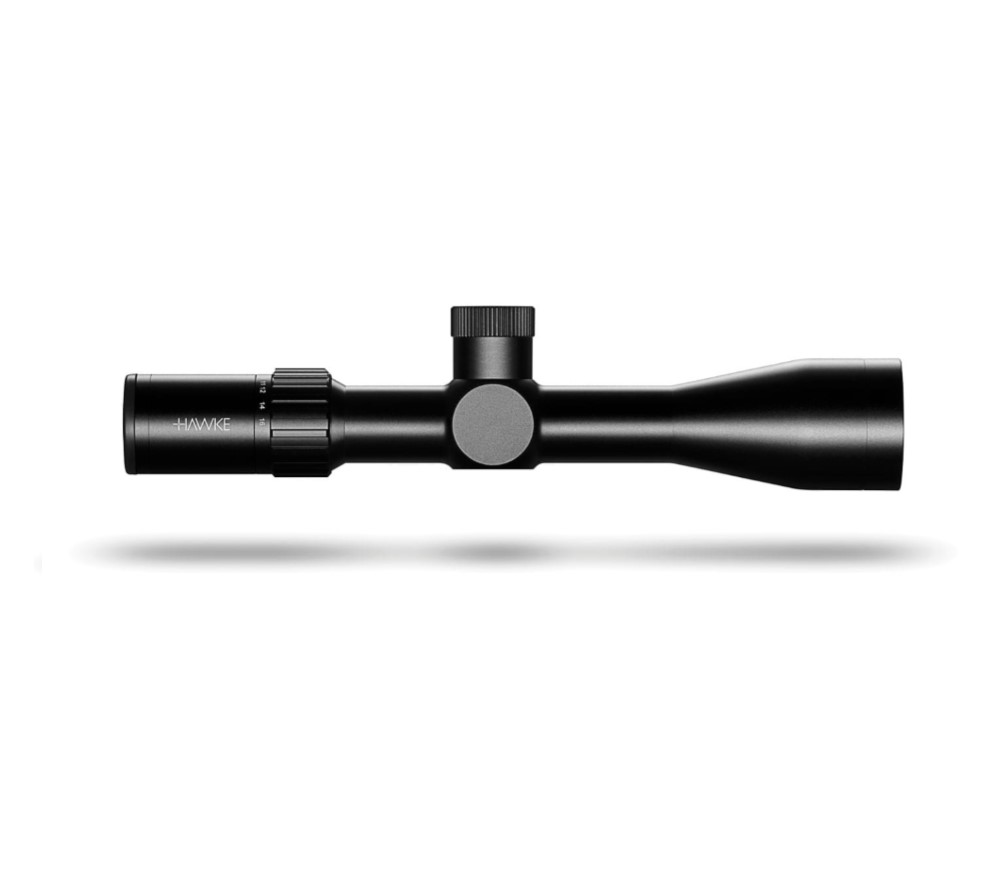
Hawke Airmax 30 SF Compact 3-12x40 AMX IR (13200)
via Livens
£329.00
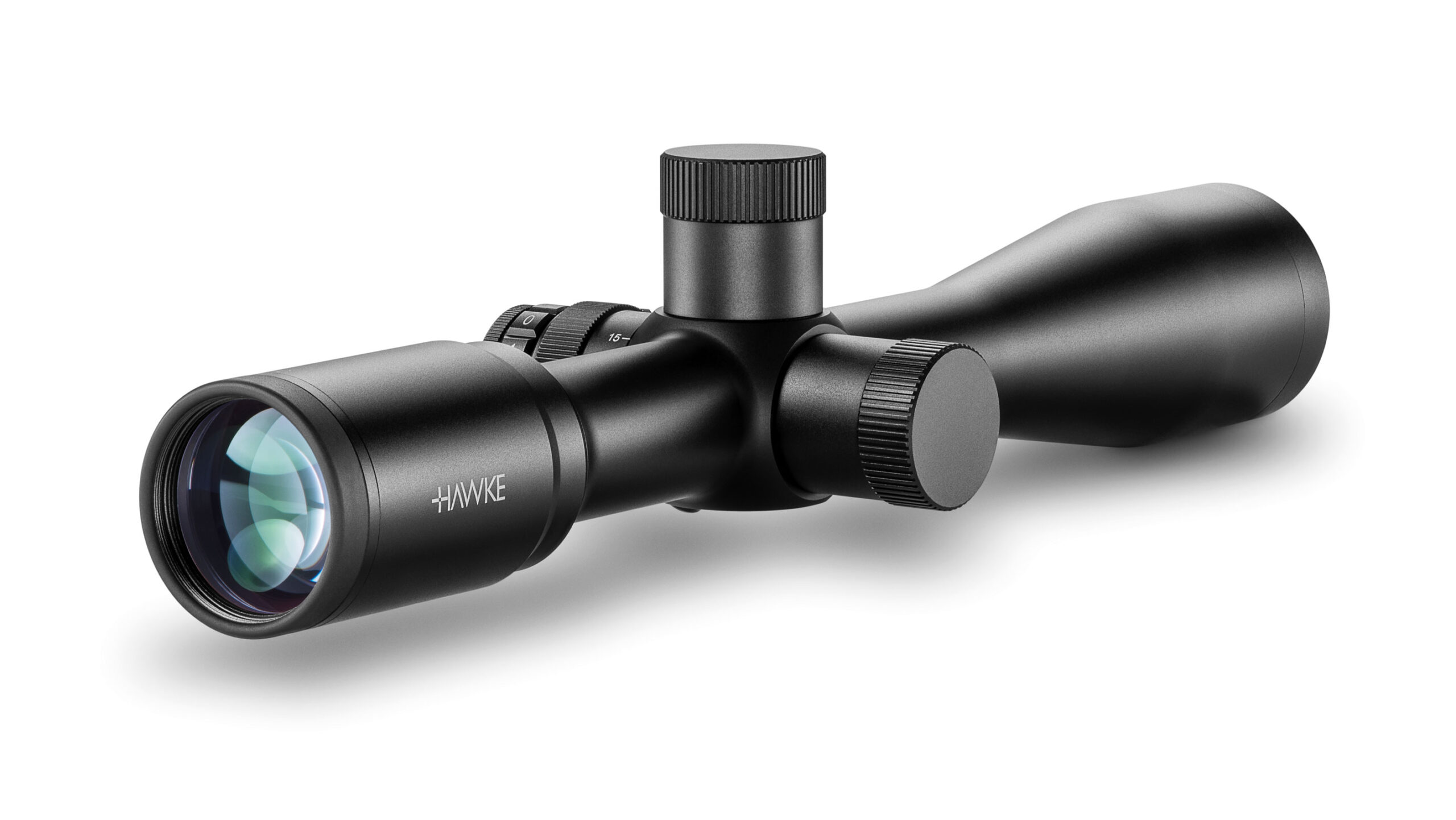
AIRMAX 30 WA SF 10x44 AMX IR RETICLE
via Livens
£349.00
Buying Advice
Recoil is the real difference. A spring rifle has a heavy piston driven forward by a coiled spring or gas ram. When it fires, the rifle kicks back, then the piston reaches the end of its travel and the rifle jolts forward again. That back-and-forth shock is hard on a scope's internals, and a scope designed for the single rearward kick of a firearm can lose its zero or fail outright. Look for a maker's statement that the scope is tested or rated for springers. 'Shockproof' on its own is not the same claim. A PCP has no moving piston and very little recoil, so any sound scope will cope. A springer-rated scope is not wasted on a PCP, it is just more robustness than you need.
Parallax matters more than recoil once you start shooting. At air rifle distances, a rifle scope set for 100 yards will show the target slightly off the cross-hair if your eye moves, and at 25 to 40 yards that error is enough to miss a small target. On either rifle, choose a scope whose parallax can be set down to the range you actually shoot, usually 10 yards at the closest. That means a side-focus (side parallax) dial or an adjustable objective. Set it by sharpening the target image, then check by moving your head a little: the cross-hair should stay on the same spot.
Mounts do more of the work on a springer. Because the rifle jolts both ways, rings can creep along the rail. A two-piece mount with a scope-stop pin or arrestor block, tightened to the maker's torque figure, matters here. On a PCP, mounts still need to be tight and square, but they are not being shaken apart. If you have a dovetail rail, check the width before you buy rings. Air rifle rails are commonly 11 mm, while Picatinny and Weaver rails are wider, and the two are not interchangeable.
Technique changes how much magnification helps. A springer is sensitive to how you hold it: a firm grip or a hard rest can change where the pellet lands, so most shooters rest it lightly. That makes high magnification unforgiving, because it magnifies every wobble in your hold. A 3-9x or 4-12x scope covers most shooting on both types. A PCP held steady on a rest or bipod will use a little more magnification for target work, but there is little to gain above about 16x at these ranges, and the field of view gets narrow.
Which should you buy first? Choose a springer if you want the lowest cost and the least kit, you are shooting at 30 yards or closer, and you are happy to learn a more demanding hold. Choose a PCP if you want a consistent, forgiving rifle that is easier to shoot well, and you are prepared to buy and look after a fill source. Neither is the better rifle in every case. Whatever you pick, set a scope budget that matches the rifle, because a good scope on a poor mount, or a springer-rated scope that is too small for your range, will cost you more in missed shots than the extra pounds would.
UK law is the same for both types. In England and Wales an air rifle at or below 12 ft-lb muzzle energy needs no certificate for adults aged 18 or over, subject to the other conditions that apply to owning and carrying one. Above 12 ft-lb it is a firearm and needs a Firearms Certificate. In Scotland an Air Weapon Certificate is required for any air weapon, and Northern Ireland has its own rules. Check the current guidance from your police force or BASC before buying. Stick to the legal limit, shoot only where you have permission and a safe backstop, and keep pellets in the target area.
Frequently Asked Questions
Do I need a springer-rated scope for a PCP air rifle?
No. A PCP has very little recoil, so a sound standard rifle scope will work on it. A springer-rated scope also works on a PCP, you just pay for robustness you do not use. Parallax adjustment down to your real shooting distance matters far more.
What happens if I fit a normal scope to a springer?
A spring rifle shocks the scope forwards and backwards on every shot. A scope not built for that can drift off zero, show a shifting reticle, or fail internally. Use a scope the maker states is tested or rated for springers.
Is a PCP or a spring air rifle better for a beginner?
It depends what you value. A springer costs less to get started and needs no fill equipment, but it is more demanding to shoot accurately. A PCP is more forgiving and consistent but needs a way to fill it. Neither is effective for live quarry beyond roughly 50 yards.
What magnification do I need on a PCP or springer?
3-9x or 4-12x covers most sub-12 ft-lb shooting on both. Higher power makes hold movement and mirage more obvious without letting you shoot any further in practice.
Can I use the same scope on a PCP and a springer?
Yes, if the scope is springer-rated, the rings fit both rails, and its parallax range suits both rifles. A scope that is only rated for PCP and firearm use should not go on a springer.
Is a sub-12 ft-lb air rifle legal without a licence in Scotland?
No. In Scotland an Air Weapon Certificate is required for any air weapon. In England and Wales an air rifle at or below 12 ft-lb needs no certificate for adults aged 18 or over. Northern Ireland has its own rules.
Related guides
Best scope for a spring air rifle (springer) in the UK, 2026: springer-rated optics, magnification and mounts that stop scope creep.
Best PCP Air Rifle Scopes Under £200 in 2026Best scopes for PCP air rifles under £200 in the UK: what to look for in magnification, parallax and build, with 2026 buying advice.
Why Does My PCP Air Rifle's Zero Move Between Sessions?PCP air rifle groups well but the zero shifts between sessions? Work through mounts, scope, fill pressure, regulator, temperature and hold in order.
How to Zero an Air Rifle Scope: A Step-by-Step UK GuideZero an air rifle scope step by step: choose a zero distance, set parallax, adjust turrets and check close and far shots. A UK guide for sub-12 ft-lb.
What Magnification Does an Air Rifle Scope Need?3-9x, 4-12x or 6-24x? Learn which magnification suits ratting, rabbits and field target with a UK air rifle, and what high power costs you in the field.
Not sure which scope is right for you?
Try our AI-powered scope finder — answer a few questions and get personalised recommendations.
Find My Scope →Get a UK scope tip every day
Follow AiScopes on Facebook for daily buying guides, deals and gear advice.
Follow on Facebook