Best Scopes for Fox Shooting UK 2026
By Peter Makulek · Senior Optics Editor · · Live prices from UK retailers
Fox shooting (foxing) in the UK is primarily a nocturnal activity, carried out under firearms certificate authority for the protection of livestock, game, and ground-nesting birds. The choice of optic for foxing has diversified significantly over the past decade — from traditional high-quality low-light glass to dedicated night-vision (NV) and thermal imaging systems.
For daytime foxing or dusk/dawn work, a high-quality 2–12× or 3–12× scope with a 50mm objective and multi-coated glass is the starting point. For serious night work, a dedicated NV or thermal scope is now the practical standard — thermal in particular offers clear detection of foxes at ranges where even the best low-light glass struggles.
Top Picks — Live UK Prices

Bsa Genesys Hunter 2.5-10x50 Ir Scope
via Sportsman Gun Centre
£253.99
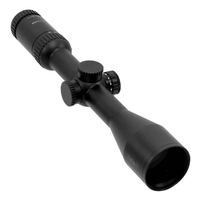
OptiMate Hunter 2-12x50 WA IR Rifle Scope
via Uttings
£279.99
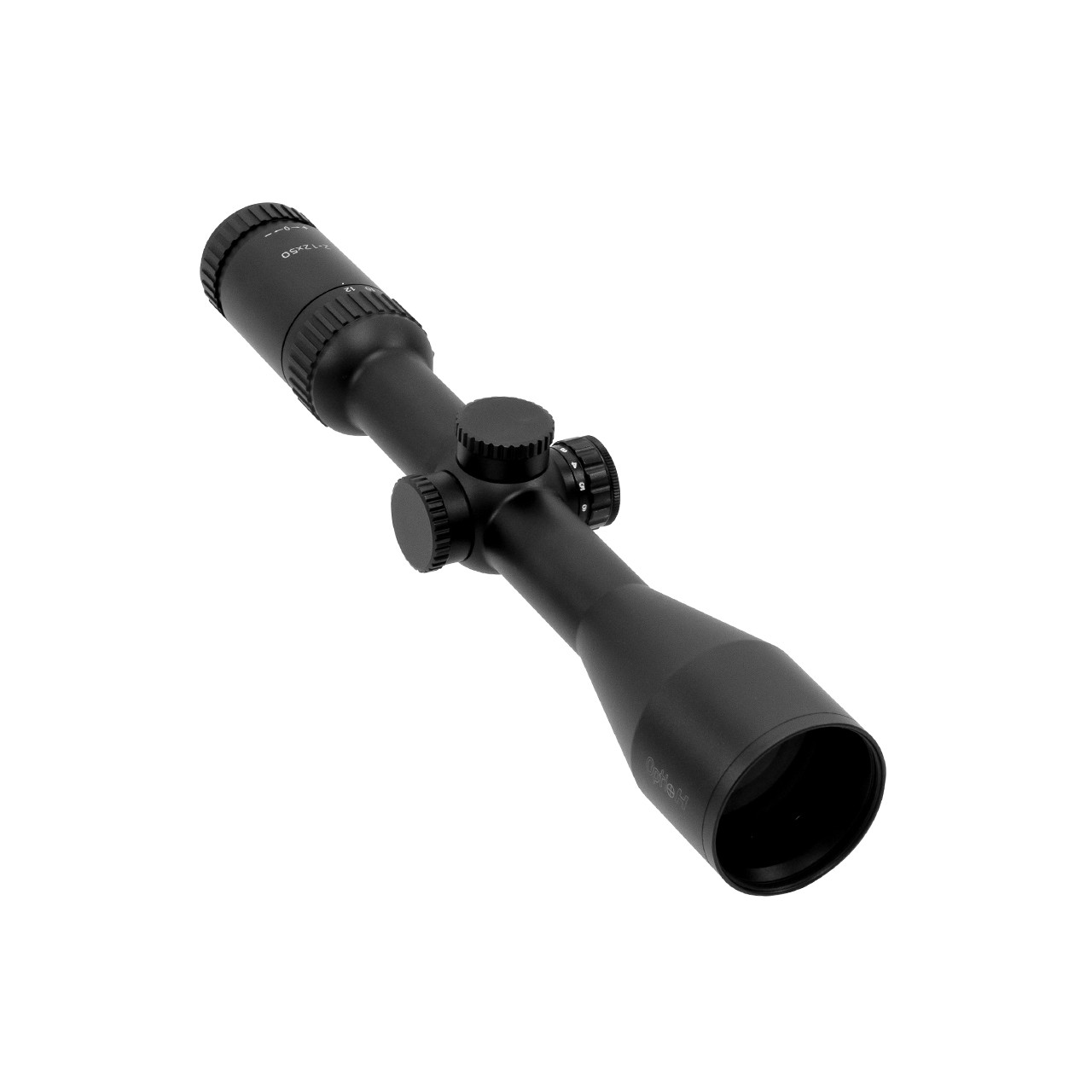
OptiMate Hunter 2-12x50 WA IR BT Rifle Scope
via Livens
£280.00
Buying Advice
Consider your operating range before choosing your system. Inside 150 yards at dusk and dawn, a premium low-light scope (Swarovski, Zeiss, or Schmidt & Bender) with a quality lamp is highly effective and lower cost than thermal. Beyond 150 yards, or in areas where lamping draws unwanted attention, thermal becomes the practical choice.
If lamping (using a white or red lamp with a standard scope), use a front lens cover with a coloured filter to reduce spooking. Red, green, and amber lamps all have different visibility profiles for foxes — red is generally least alarming. Dedicated foxing sets (scope with integral illuminator attachment) from Pard, Dedal, and Nightmaster are popular in the UK.
Frequently Asked Questions
Is fox shooting legal in the UK at night?
Yes. Fox shooting at night is legal in the UK provided you hold a valid Firearms Certificate for the calibre used, have the landowner's written permission, and shoot in a safe direction into a suitable backstop. Foxes are not protected under UK wildlife law and may be shot year-round as a pest control measure. Always check your local police Firearms Licensing unit for any specific conditions on your certificate.
What is the best thermal scope for fox shooting?
The Pulsar Thermion 2 XP50 Pro is the benchmark for UK foxing — 640×480 sensor, 50Hz refresh, and excellent range performance. For a more affordable entry point, the InfiRay Outdoor RICO G 640 and the Pulsar Trail 2 LRF XP50 are strong alternatives. For a budget-first approach, the AGM Varmint LRF TS35-384 provides acceptable foxing performance at a lower price.
What calibre should I use for fox shooting in the UK?
The most popular calibres for foxing in the UK are .223 Remington, .22-250, and .243 Winchester. .223 is the most common — light recoil, flat trajectory, and widely available ammunition. .17 HMR (rimfire) is legal for fox but limited to inside 100 yards in calm conditions due to wind sensitivity. For areas near housing where a low-noise option is preferred, subsonic .308 or .300 Blackout with a moderator is an effective combination.
Do I need a moderator (silencer) for foxing?
A moderator is not legally required for foxing, but it is almost universally used by UK foxers for several reasons: it significantly reduces noise disturbance to neighbours and livestock; it reduces muzzle blast that spooks other foxes nearby; and it reduces shooter fatigue on long nights. Moderators require a Firearms Certificate variation — apply to your constabulary's firearms licensing department.
What is the maximum effective range for fox shooting?
With a .223 or .22-250 in calm conditions, ethical fox shooting extends to 300–350 yards for an experienced shot with quality glass. In wind or with night optics where wobble is amplified, most experienced foxers self-limit to 200 yards as a clean-kill maximum. Thermal scopes make range estimation difficult — always confirm range with a rangefinder before taking a shot at extended range.
Related guides
Our 2026 UK buyer's guide to the best scopes for fox shooting under £300. Covers day and night-compatible optics, reticles, magnification, and top budget brands for foxing.
Best Scopes for Fox Shooting in 2026Our expert UK guide to the best scopes for fox shooting in 2026, covering thermal, night vision and day optics. Budget picks, brand comparisons and legal advice for foxing.
Best Budget Thermal Scopes & Clip-Ons for Foxing in 2026Our 2026 UK buyer's guide to the best thermal scopes and clip-ons for foxing under £500. Compare Pard, Hikmicro and more for affordable night-time vermin control.
Best Air Rifle Scopes for Rabbit Shooting in 2026Discover the best scope for rabbit shooting in the UK for 2026. Expert advice on magnification, parallax, reticles and budget picks for airgun pest control.
Best Driven Shooting Scopes Under £500 in 2026Discover the best scope for driven shooting in the UK under £500 for 2026. Expert advice on low-power variable optics, reticles, and budget brands like Vortex and Burris.
Not sure which scope is right for you?
Try our AI-powered scope finder — answer a few questions and get personalised recommendations.
Find My Scope →Get a UK scope tip every day
Follow AiScopes on Facebook for daily buying guides, deals and gear advice.
Follow on Facebook