Best PRS Scopes UK 2026
By Peter Makulek · Senior Optics Editor · · Live prices from UK retailers
Precision Rifle Series (PRS) and practical long-range competitions have exploded in the UK over the past five years. Unlike static benchrest, PRS stages mix positional shooting, unknown distances, and time pressure — demanding a scope that tracks reliably, returns to zero, and stays usable from 1× to full magnification in a hurry.
The gold standard for UK PRS competition is a 34mm or 35mm tube FFP scope in the 5–25× or 6–24× range, with an MRAD reticle and MRAD turrets, audible 0.1 mil clicks, and a genuine mechanical zero-stop. Brands like Nightforce (ATACR, NX8), Vortex (Razor HD Gen III), Kahles (K525i), and March are dominant at the top level. The UK mid-market around £600–£1,200 is well served by the Vortex Viper PST Gen II, Athlon Cronus BTR, and Hawke Frontier offerings.
Top Picks — Live UK Prices

WULF Hurricane Lite 4.5-18x50 SFP Non Illuminated Half Mildot SF Tactical 0.1 MRAD 30mm Rifle Scope
via Optics Warehouse
£94.95

Vector Optics Victoptics S6 1-6x24i Fibre LPVO SFP IR VIS-F1 MIL 30mm Rifle Scope
via Optics Warehouse
£94.99
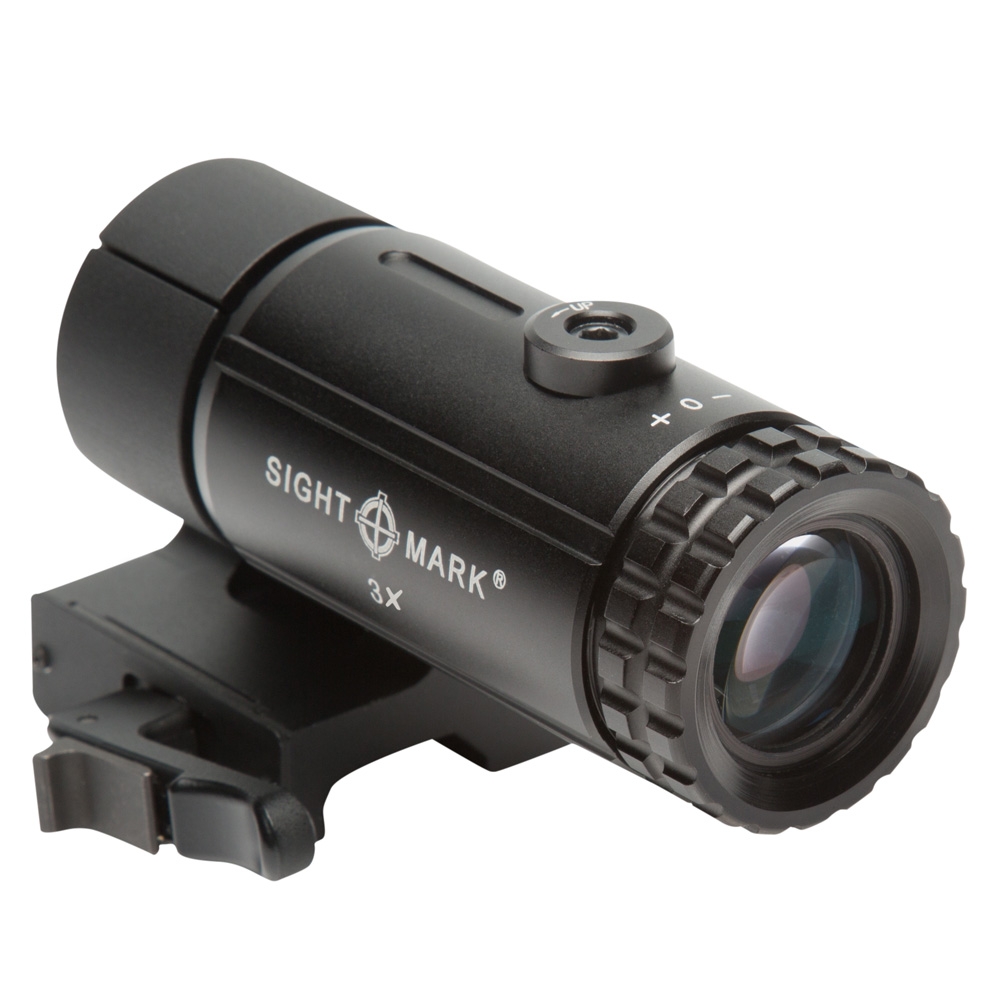
Sightmark T-3 3x Tactical Magnifier
via Livens
£119.00
Buying Advice
Tracking consistency is non-negotiable for PRS. Before buying, look for independent tracking tests — a scope that tracks 10 mils up and 10 mils back should return to the exact same zero. Budget scopes often show shift under sustained recoil or after large elevation changes.
Don't overlook parallax adjustment speed. PRS stages can have targets from 100 to 800+ yards on the same stage; a stiff or imprecise parallax ring will cost you seconds. Side-focus (parallax on the left turret) is almost universal on modern competition scopes.
Frequently Asked Questions
What scope do PRS shooters use in the UK?
At the top level of UK PRS, Nightforce ATACR 5–25×56 and Vortex Razor HD Gen III 6–36×56 are most common. In the mid-range budget bracket, the Vortex Viper PST Gen II 5–25×50 and Athlon Cronus BTR are popular choices offering solid tracking at under £1,000.
Do I need MRAD or MOA for PRS?
MRAD (mil) is the dominant standard in UK PRS competition because the metric-friendly math (0.1 mil = 1 cm at 100 m) is fast under time pressure. MOA is mathematically compatible but less common in the UK field. Whichever you choose, ensure your reticle and turrets are the same unit — mixing mil reticle with MOA turrets is a source of errors.
What magnification do I need for PRS?
Most UK PRS stages set targets from 200 to 1,000 yards, with some exceeding that. A 5–25× or 6–24× scope covers this range well. Higher magnification (up to 36×) helps on steel at long range but adds weight and cost. Many top competitors prefer a 6–24× as the best balance of field of view and resolution.
Is a 30mm tube scope good enough for PRS?
A 30mm tube is sufficient for recreational PRS and most club-level competition. The advantages of 34mm or 35mm tubes — greater elevation travel and potentially more robust turret mechanisms — become meaningful at the national competition level where shooters regularly dial 10+ mils of elevation.
What is a zero-stop and why does it matter for PRS?
A zero-stop is a mechanical limit in the elevation turret that prevents you from dialling below your zero. In PRS, you dial up for long range then dial back to zero between stages. A zero-stop means you can spin the turret down without counting clicks — essential for fast stage transitions under time pressure.
Related guides
Definitive UK guide to choosing the best scope for PRS in 2026. Expert advice on reticles, turrets, FFP vs SFP, MOA vs MRAD and budget tiers for precision rifle competition.
Best PRS & Precision Rifle Scopes for UK Competitors in 2026Our expert UK guide to the best scopes for PRS and precision rifle competition in 2026. Covers FFP vs SFP, MRAD turrets, budget tiers, and what UK shooters actually need.
Best Budget PRS Scopes Under £500 (UK 2026)Find the best scope for PRS and precision rifle competition under £500 in the UK. Our 2026 guide covers FFP vs SFP, MRAD turrets, top brands and real buying advice.
Best PRS Competition Scopes: A UK Beginner's Guide for 2026Choosing your first precision rifle scope for PRS in the UK? Our 2026 guide covers reticles, turrets, magnification and budget tiers to get you match-ready with confidence.
Best Budget PRS Scopes for UK Shooters in 2026Find the best scope for PRS competition under £1,000 in the UK. Expert guide to FFP, MRAD turrets, magnification, zero-stop and top budget precision rifle optics for 2026.
Not sure which scope is right for you?
Try our AI-powered scope finder — answer a few questions and get personalised recommendations.
Find My Scope →Get a UK scope tip every day
Follow AiScopes on Facebook for daily buying guides, deals and gear advice.
Follow on Facebook