Best Deer Stalking Scopes UK 2026
By Peter Makulek · Senior Optics Editor · · Live prices from UK retailers
Deer stalking in the UK takes place in conditions that challenge even expensive optics — pre-dawn grey light in Scottish glens, overcast November mornings in English woodland, or dusk on the hill. A stalking scope must transmit enough light for a confident ethical shot while being robust enough to handle wet, cold, and the inevitable knocks of rough country.
UK deer are legally required to be taken with a minimum .240 calibre (or in Scotland, a minimum bullet weight and velocity — check the Deer Act and the Deer (Scotland) Act for your circumstances). For most deer rifles — .243, 6.5 Creedmoor, .308, .30-06 — a scope in the 2–10× or 3–12× range with a 50mm objective is the practical standard. SFP is common because shots are typically taken at maximum power at a single known range.
Top Picks — Live UK Prices

Bsa Genesys Hunter 2.5-10x50 Ir Scope
via Sportsman Gun Centre
£253.99
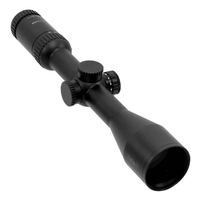
OptiMate Hunter 2-12x50 WA IR Rifle Scope
via Uttings
£279.99
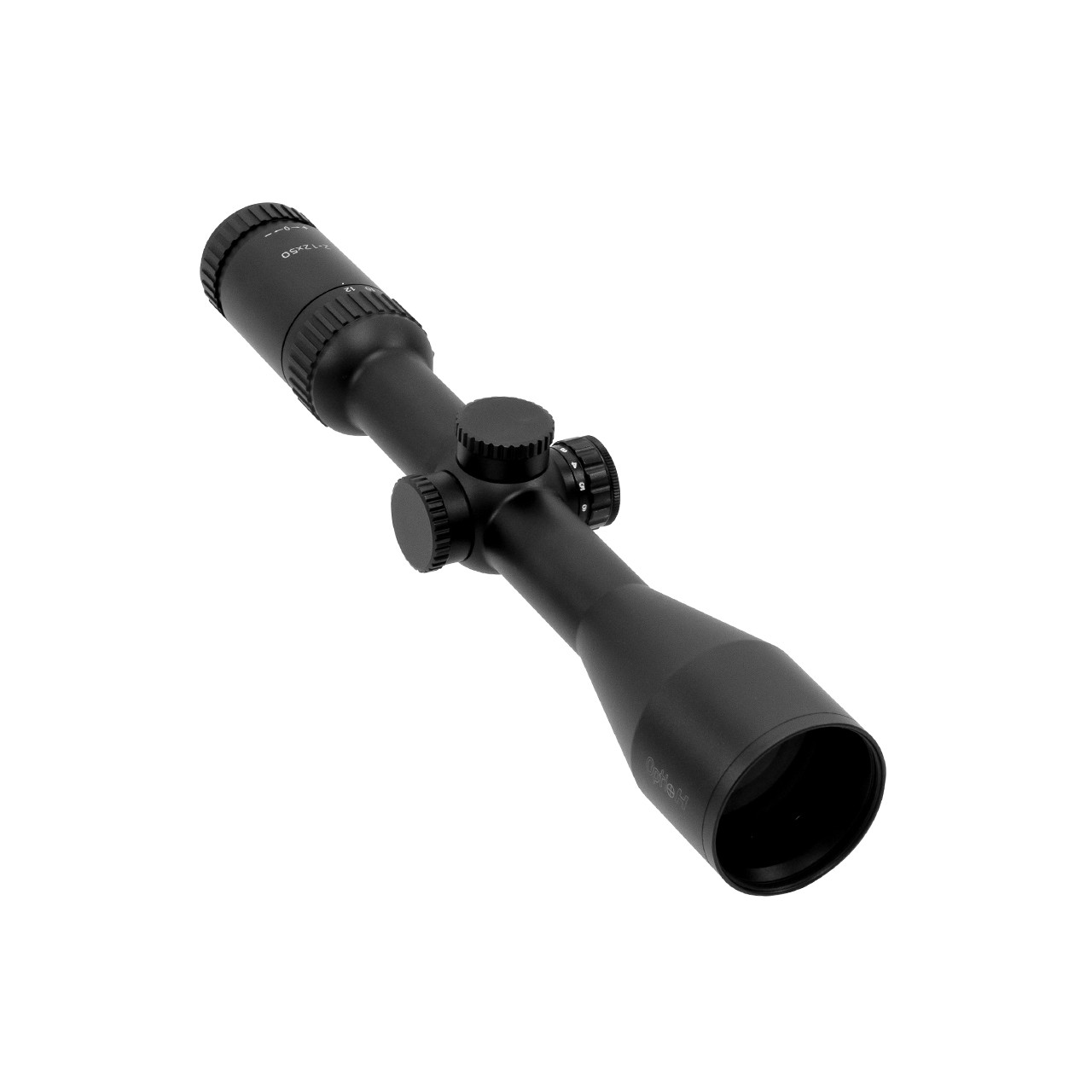
OptiMate Hunter 2-12x50 WA IR BT Rifle Scope
via Livens
£280.00
Buying Advice
Twilight factor and light transmission figures from manufacturers are marketing tools — what matters is the objective lens diameter and the quality of the glass and coatings. A fully multi-coated 42mm lens from a premium brand often outperforms a budget 56mm in real low-light conditions. German and Austrian glass (Swarovski, Zeiss, Schmidt & Bender) leads the market for genuine low-light performance.
For woodland stalking at short ranges, consider a low minimum magnification — a 1–6× or 1.5–8× lets you acquire deer quickly at close range. For open hill or farmland where shots may be taken at 200–400 yards, a 3–12× or 3–15× with a fine crosshair gives the precision needed.
Frequently Asked Questions
What is the best scope for deer stalking in the UK?
For woodland stalking, a Swarovski Z5 3.5–18×44 or Zeiss Terra 3× 3–9×42 are outstanding mid-range choices. For open hill work where longer shots are possible, a Vortex Viper HD 4–16×50 or Schmidt & Bender Classic 3–12×42 give excellent range and low-light performance. Budget stalkers should look at the Vortex Diamondback HP 4–16×42 for solid value.
What magnification is best for deer stalking?
A 3–12× or 3–15× variable covers almost all UK deer stalking situations — from 50 yards in dense woodland to 300+ yards on open farmland. 2–10× suits woodland-only stalkers wanting faster target acquisition. Avoid very high magnification (above 15×) as the primary setup — deep woodland often requires mounting a rifle in awkward positions where high power is a liability.
Do I need a 50mm objective lens for deer stalking?
Not necessarily. A 42mm or 44mm objective on a quality scope often delivers comparable real-world low-light performance to a 50mm on a budget scope, and sits lower on the rifle for a more natural cheek weld. 50mm objectives require taller rings that can affect head position. Unless you're using a scope specifically because of its large objective, 40–44mm is often the better practical choice.
What rifle calibres are legal for deer stalking in the UK?
In England and Wales, the minimum legal requirement is a bullet of .240 calibre or larger with a minimum muzzle energy of 1,700 ft/lb for all deer species. In Scotland, the Deer (Scotland) Act 1996 sets different minimums depending on species — for example, .243 with a 100-grain bullet is accepted for all species. Always confirm current legislation with the British Deer Society before your first stalk.
Should I choose a German reticle (No. 4) or crosshair for stalking?
The German No. 4 reticle — thick posts narrowing to a fine centre — is traditional and fast to acquire in low light because the thick posts draw the eye. A fine duplex or crosshair gives more precision at longer ranges. Most stalkers who shoot woodland to 150 yards prefer the German reticle; those on open ground favour duplex or mil-dot for the precision at range.
Related guides
Our 2026 UK buyer's guide to the best scopes for deer stalking under £500. Expert advice on magnification, reticles, and top budget picks for woodland and hill hunting.
Best Scopes for Deer Stalking Under £300 in 2026Our 2026 UK buyer's guide to the best scopes for deer stalking under £300. Expert advice on magnification, low-light performance, reticles, and top budget picks for woodland and hill.
Best Scopes for Deer Stalking in 2026: A UK Buyer's GuideFind the best scope for deer stalking in the UK for 2026. Expert advice on magnification, low-light performance, reticles, and budget picks for woodland and hill hunting.
Best Deer Stalking Scopes for Returning UK Hunters (2026)Returning to deer stalking after years away? Our 2026 UK buyer's guide covers the best scopes, key spec changes, illuminated reticles, and brand picks to get you back out confidently.
Red Dot vs Scope for UK Deer Stalking: The Definitive GuideRed dot sight or rifle scope for deer stalking in the UK? Our 2026 guide covers legality, magnification, brands, and exactly which optic suits your hunting style.
Not sure which scope is right for you?
Try our AI-powered scope finder — answer a few questions and get personalised recommendations.
Find My Scope →Get a UK scope tip every day
Follow AiScopes on Facebook for daily buying guides, deals and gear advice.
Follow on Facebook