Budget PRS Scopes Compared: Athlon, Arken, Discovery & Bushnell R7
By Peter Makulek · Senior Optics Editor · · Live prices from UK retailers
Choosing between Athlon vs Arken vs Discovery Optics scopes has become the defining purchase decision for US precision rifle shooters who want competitive glass without spending $1,500 or more. As recently as two or three years ago, the advice was simple: save up for a Vortex Viper PST II or step into Nightforce territory. In 2026, that conversation has shifted dramatically. A wave of capable, optically competitive scopes from brands manufacturing in China, Japan, and the Philippines has flooded the sub-$700 segment, giving PRS club-level shooters and serious hobbyists real choices that were not available a generation ago. This guide exists because US buyers are actively asking these questions right now on forums like 24HourCampfire, Reddit, and Sniper's Hide.
The PRS discipline demands specific optical qualities that casual hunting scopes do not need to deliver. A competitive or practice-grade PRS scope must offer a first focal plane (FFP) reticle so that holdover and windage references remain accurate at every magnification. It needs reliable, repeatable turret tracking — ideally verified to within a fraction of a mil or MOA click over a full revolution — because PRS stages routinely require rapid dial-ups from 100 to 800 yards or beyond. Zero stops, exposed locking turrets, adequate parallax adjustment range (typically 10 yards to infinity), and generous eye relief for fast positional shooting all matter. Budget scopes that check these boxes honestly deserve serious consideration.
For a US buyer in 2026, context matters. Most PRS-style practice and local matches happen on ranges stretching from 100 to 1,000 yards, often in variable wind across open terrain in states like Texas, Utah, Oklahoma, and the Midwest. Common host rifles include Bergara B-14 HMRs, Howa 1500 chassis builds, Ruger Precision Rifles, and Tikka T3x CTR variants, usually chambered in 6.5 Creedmoor or 6mm variants. A scope that costs $400–$700 often lands on a rifle that itself cost $900–$1,400, making it a significant percentage of the total build — and a component that directly affects the shooter's ability to connect at distance. Getting this choice right matters more here than in almost any other shooting discipline.
This guide covers four brands with genuine, active mindshare among budget PRS buyers in the US: Athlon Optics (specifically the Helos BTR and Argos BTR lines), Arken Optics, Discovery Optics, and the new Bushnell R7 series. We are not rehashing premium-tier comparisons — AIScopes already publishes a dedicated Vortex vs Leupold vs Nightforce guide for that segment. Instead, this is an honest, forum-grounded look at the tier just below those established names, written for shooters who are spending real money and want straight answers about glass quality, turret reliability, warranty support, and where each brand genuinely excels or falls short.
Top Picks — Live UK Prices
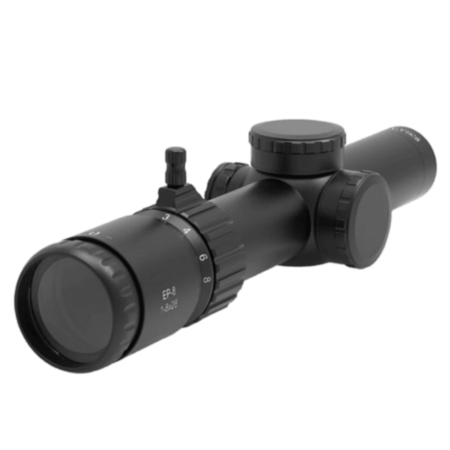
Arken Optics EP8 1-8x28 LPVO FFP KL BOX Illuminated Rifle Scope
via Optics Warehouse
£299.99
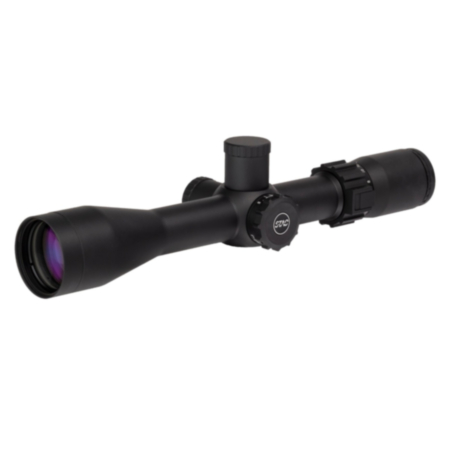
Sightron S-TAC 3-16x42 SFP SF Non IR MOA-3 30mm Rifle Scope
via Optics Warehouse
£369.99
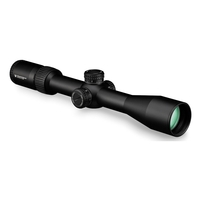
Vortex Diamondback Tactical FFP 4-16x44 Riflescope - MRAD
via Uttings
£429.00
Buying Advice
Why budget and import glass is reshaping the sub-$700 PRS market is the essential backdrop to any brand comparison in this segment. Until roughly 2020, a US shooter wanting a genuinely PRS-capable FFP scope with reliable tracking had very few options under $700 — essentially the Athlon Ares BTR, the original Vortex Viper PST, and a handful of Sightron models. Today, competitive Chinese and Philippine optical manufacturing, combined with modern multi-coated lens technology and CNC-machined turret assemblies, has produced scopes in the $300–$700 window that credibly compete with optics that cost twice as much just five years ago. This is not a fringe opinion: active threads on 24HourCampfire throughout mid-2026 show experienced shooters routinely recommending budget imports alongside traditional US-marketed brands. The old blanket advice of 'just save up for a Vortex PST II' is no longer the only responsible answer, and any honest guide needs to acknowledge that shift.
Athlon Helos BTR versus Athlon Argos BTR is probably the single most frequently asked internal-brand question in the budget PRS space right now. A recent 24HourCampfire thread posed exactly this: is the Helos BTR 2-12x42 genuinely worth the step-up over the Argos BTR? The Argos line sits in the lower portion of the budget tier and delivers an FFP reticle, exposed turrets, and side-focus parallax adjustment at a price point that often surprises newcomers. Where the Helos distinguishes itself, according to consistent buyer reports, is in edge-to-edge sharpness, chromatic aberration control, coating quality, and a more refined turret feel with better tactile clicks. Shooters who have owned both frequently describe the Argos as 'good enough to learn on and compete locally,' while the Helos is characterized as 'noticeably clearer in low light and more confidence-inspiring on dial-ups.' The Helos also tends to offer a more robust zero-stop mechanism. For a shooter planning to stay in local PRS matches and who prioritizes saving money for ammunition and training, the Argos is a defensible choice. For someone who wants glass they will not feel compelled to upgrade within a year, the consensus leans toward the Helos as the better long-term value — even though both scopes are manufactured overseas and carry Athlon's well-regarded US-based lifetime warranty.
Arken Optics is what real PRS buyers report as a direct-to-consumer brand that has built genuine grassroots credibility in the US budget PRS community. The brand's models — typically FFP designs with MRAD reticles, zero stops, and illumination — have appeared repeatedly in 'what scope should I buy under $500' threads across multiple forums. A 2026 24HourCampfire thread specifically asking about Arken product quality reflects the brand's real mindshare among buyers actively making purchase decisions. The general consensus among budget PRS shooters is that Arken delivers strong specifications-per-dollar, with turret tracking that buyers frequently describe as surprisingly good for the price. Common positives cited include clear glass, well-executed reticle designs, and responsive US-based customer service. Common concerns include occasional reports of illumination dial issues on early production runs and the reality that, as a smaller brand, Arken does not have the decades-long track record of a Vortex or Leupold. For a first PRS scope, Arken is widely considered a credible option — particularly for shooters who value getting maximum features within a strict budget and who are comfortable buying from a newer, leaner company rather than a legacy brand.
Discovery Optics occupies an interesting and sometimes polarizing position in budget PRS discussions, and understanding its reputation is important before committing dollars. A dedicated 24HourCampfire thread from mid-2026 — titled simply 'Discovery Optics?' — captures the typical buyer's posture: curious but cautious, asking for the 'good, bad, and ugly' before pulling the trigger. Discovery is a Chinese manufacturer that sells a wide range of scopes, some of which offer FFP reticles, zero stops, and side-focus parallax at price points that can undercut even Athlon's Argos line. What buyers commonly report is that Discovery's higher-end models (often those with 'HD' or 'HT' designations) offer genuinely impressive glass clarity for the money, while their entry-level offerings can feel less refined in turret mechanics and build consistency. Quality control is the most frequently cited concern — not that every scope is poor, but that unit-to-unit variation can be wider than with brands that have more established QC pipelines. For a US buyer, the practical considerations include warranty support (which may route through smaller US distributors rather than a large domestic warranty center) and parts availability. Discovery can be an excellent value for a shooter who is mechanically inclined, willing to verify tracking on a tall target test before trusting it in competition, and comfortable with the trade-offs inherent in buying from a brand still building its US support infrastructure.
Bushnell R7 represents the newest entrant in this comparison, and what its manufacturing origin does — and does not — mean is a question US buyers are actively investigating. A multi-week 24HourCampfire thread running from early July through August 2026 tracked the R7 line's specs, pricing, and, notably, included reports from forum members who confirmed directly with Bushnell that the R7 scopes are manufactured in China. This matters — but not for the reasons some buyers instinctively assume. Chinese optical manufacturing in 2026 encompasses everything from disposable airsoft optics to glass that rivals mid-tier Japanese production; the factory, coating line, and QC protocols matter far more than the country label alone. What Bushnell's name does provide is a well-established US warranty and service network, wide retail availability on Amazon.com and through dealers like OpticsPlanet, and the institutional knowledge of a company that has been in the American optics market for decades. The R7 line appears positioned to compete directly with the Athlon Helos BTR tier on features — FFP, MRAD or MOA turrets, zero stop, side parallax — while leveraging Bushnell's brand recognition and distribution muscle. Early community impressions suggest cautious optimism, though the line is new enough that long-term durability and tracking-reliability data is still accumulating. For a buyer who values the security of a major-brand warranty and easy retail access, the R7 deserves a hard look alongside the more established budget competitors.
Which brand fits which budget and use case is ultimately the most practical question this guide can answer. For the shooter on the tightest budget — say under $350 — the Athlon Argos BTR and select Discovery Optics models offer FFP reticles and adjustable parallax at price points that leave more money for match fees and quality ammunition, which arguably matter more to PRS development than the last five percent of optical clarity. In the $400–$550 range, Arken's FFP models and the Athlon Helos BTR compete most directly, and the choice often comes down to whether the buyer prefers Arken's direct-to-consumer value proposition or Athlon's broader dealer network and established warranty reputation. At the upper end of the budget tier — $550–$700 — the Bushnell R7 enters the conversation alongside top-spec Athlon Helos variants, and here the decision may hinge on brand trust, retail convenience, and how much weight the buyer places on long-term community track record versus newer-but-promising options. Across all of these tiers, the non-negotiable features for PRS use remain the same: FFP reticle, reliable and repeatable turret tracking (verify this yourself with a box test or tall target test before competing), a functional zero stop, and adequate magnification range for 100–1,000 yard stages. Do not sacrifice these fundamentals for a brand name or a minor price saving — they are what separate a PRS-capable scope from a hunting scope that happens to have turrets.
Frequently Asked Questions
Is the Athlon Helos BTR worth the upgrade over the Athlon Argos BTR for PRS?
For most PRS shooters, the consensus is yes — the Helos BTR offers meaningfully better glass clarity, improved edge sharpness, superior low-light performance, and a more refined turret feel with a more reliable zero-stop mechanism. The Argos BTR is a capable entry-level FFP scope, but shooters who have owned both consistently report that the Helos feels like a genuine generational step up rather than a marginal improvement. If your budget allows the stretch, the Helos is widely considered the better long-term investment because it reduces the urge to upgrade again within a season.
What is Discovery Optics known for among budget PRS shooters?
Discovery Optics is known for offering aggressive specifications at very low price points — FFP reticles, side-focus parallax, and zero stops at prices that can undercut most US-marketed competitors. Their higher-tier models (often labeled HD or HT) receive generally positive reviews for glass clarity relative to cost. The primary concern cited by experienced buyers is quality-control consistency: unit-to-unit variation can be wider than with more established brands. US warranty support routes through smaller distributors, so buyers should factor in potentially slower service turnaround compared to brands like Athlon or Bushnell.
Where is the Bushnell R7 made, and does that affect quality?
Forum members have confirmed directly with Bushnell that the R7 line is manufactured in China. However, manufacturing country alone does not determine optical quality — many well-regarded scopes across multiple price tiers are produced in Chinese factories with rigorous QC protocols and modern coating technology. What Bushnell's brand does provide is an established US warranty infrastructure, broad retail availability, and decades of market presence. The R7 is too new for long-term durability data, but early community impressions are cautiously positive, and Bushnell's service network offers a safety net that smaller import brands may not match.
Is Arken a reliable brand for a first PRS scope?
Arken has built genuine credibility among budget PRS shooters through direct-to-consumer pricing, well-specced FFP models, and responsive US-based customer service. Buyers frequently report that turret tracking is surprisingly good for the price point, and reticle designs are well-suited to PRS-style shooting. As a newer and smaller company, Arken lacks the multi-decade track record of legacy brands, and occasional early-production issues (such as illumination dial concerns) have been noted. For a first PRS scope on a strict budget, Arken is widely considered a credible and competitive choice.
How do these budget import brands compare to Vortex or Leupold at a similar price?
At the sub-$700 price point, Vortex's closest PRS-relevant offering is typically the Diamondback Tactical FFP line, and Leupold's options in this range tend to be SFP hunting scopes rather than dedicated PRS glass. Brands like Athlon, Arken, and Discovery often offer more PRS-specific features — such as zero stops, more aggressive reticle designs, and higher magnification ranges — at comparable or lower prices. Where Vortex and Leupold hold a clear advantage is in warranty reputation (Vortex's unconditional lifetime warranty is legendary) and broad US retail/service infrastructure. The right choice depends on whether you prioritize maximum features per dollar or maximum brand-backed peace of mind.
What are the non-negotiable scope features for PRS competition?
A PRS-capable scope must have a first focal plane (FFP) reticle so holdover and wind references remain accurate at all magnification levels. Reliable, repeatable turret tracking is essential — verify this with a tall target test or box test before competing. A functional zero stop prevents you from losing your confirmed zero during rapid stage transitions. Side-focus parallax adjustment (ideally ranging from around 10 yards to infinity) and sufficient eye relief for positional shooting round out the must-haves. MOA or MRAD is a personal preference, but MRAD is more common in PRS circles due to simpler math at distance.
Should I buy MRAD or MOA for PRS shooting?
MRAD (milliradian) is the dominant choice in the US PRS community because the metric math is simpler for range estimation and wind calls — 0.1 mil equals 1 cm at 100 meters, scaling linearly. MOA (minute of angle, where 1 MOA equals approximately 1.047 inches at 100 yards) is equally precise and some shooters prefer its finer per-click adjustment. If you are new to PRS and do not already have strong MOA habits from hunting, MRAD is the more practical choice because most PRS match data, spotter calls, and community resources default to mils. Whichever you choose, ensure your turrets and reticle use the same unit — mixing MOA turrets with an MRAD reticle creates unnecessary conversion errors.
How important is a tall target test before competing with a budget scope?
A tall target test is arguably the single most important thing you can do after mounting any budget PRS scope. It verifies that your turret clicks actually move the point of impact the amount they claim — for example, that 1.0 mil of dial genuinely moves the group 10 cm at 100 meters. Budget scopes occasionally exhibit tracking errors that are invisible at short range but compound significantly at 600+ yards. The test costs nothing but ammunition and time, and it will either confirm your scope is competition-ready or save you the frustration of unexplained misses at a match. Do not skip this step regardless of brand or price.
Can I use these budget PRS scopes for hunting as well?
Yes, but with caveats. Most budget PRS scopes in the 4-16x or 6-24x range are heavier and bulkier than dedicated hunting scopes, which can matter on long stalks or mountain hunts. FFP reticles can appear very fine at low magnification, making them less ideal for fast close-range shots on game in thick cover. However, for Western-style hunting where shots may stretch to 400–600 yards across open terrain, a PRS scope's precise turret tracking and reliable holdover references are genuine advantages. If you plan to use one scope for both disciplines, look for models with moderate weight and a magnification range that starts low enough for realistic hunting scenarios.
Related guides
Find the best scope for PRS competition under £1,000 in the UK. Expert guide to FFP, MRAD turrets, magnification…
Best Scopes for .30-30 Lever Actions in 2026Find the best scope for 30-30 lever actions in 2026. Expert picks for Marlin 336, Henry, and Winchester 94 rifles…
Not sure which scope is right for you?
Try our AI-powered scope finder — answer a few questions and get personalised recommendations.
Find My Scope →Get a UK scope tip every day
Follow AiScopes on Facebook for daily buying guides, deals and gear advice.
Follow on Facebook